
Walking down city streets used to be an obstacle course. Instead of admiring the architecture or shop windows, you had to watch where you were walking or you would take  home a little gift on the bottom of your shoe. Urban laws have greatly improved the situation, but not all dog owners are dutiful about cleaning up during the morning walk. Cities have tried everything from using the postal service (a Spanish mayor mailed the stuff back to dog owners) to shaming (some cities have publicized the names of offending owners) to bribery (some parks in Mexico City offered free WiFi in exchange for bags of waste).
Italian cities seem to be especially aggressive in the clean-up campaign and are using technology to help. It started about 5 years ago in Naples, a city that ironically struggles to 
 collect the garbage. (Actually, the city drew on the success of the nearby resort island of Capri.) The testing ground was Vomero, an affluent neighborhood, where every dog was required to have a blood test for DNA profiling in order to create a database of dogs and owners. Then when an offending pile was discovered, it was tested. If a match was found, the owner faced a fine of up to 500 euros (about $685). Early results indicated that the cleanup campaign was working.
Then in 2016 the city of Malnate (province of Varese, region of Lombardy) got in the act for the following year. The city is known for its environmental sensitivity. It started with a  microchip in the trash; in one year, citizens who differentiated the trash increased from 55 to 77%. The city of 16,000 inhabitants won an award for being among the 7 most virtuous municipalities in Italy. Now dog owners are being challenged and their four-legged friends have to make a saliva contribution for potential DNA analysis. These initiatives are not without critics. The Anti-Vivisection League
  attacked the new experiment: “It is simply a ridiculous idea. The technical and financial commitment that would be necessary is absolutely disproportionate to the supposed gravity of the problem.” But the city pursued meetings with citizens and groups. They noted that the Vomero experiment led to the reduction of 70% of canine debris in the street, and that similar projects have started in Livorno and Trieste. And the costs? The campaign to collect the DNA will be paid by the company that takes care of garbage collection. Dog owners will be required to take Fido to a veterinary clinic for a saliva contribution (free to the dog owner) that will be paid for by the company that performs environmental hygiene in the city. That company, in turn, will see savings in work hours from the reduction of droppings in the street. Moreover, owners will have useful information to define the pedigree or breed of origin, and to trace and prevent the onset of disease.
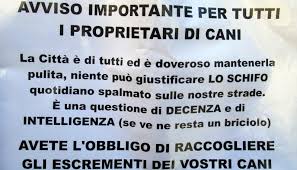 Then in 2017 in Savona (Liguria region), a new controversial initiative was proposed which requires dog owners, under penalty of a fine up to 500 euros, to clean up both solid and liquid waste in pedestrian areas, and on facades of buildings, columns of porticoes, poles, flowerbeds, benches, waste bins, etc. The controversy is pitting tradespeople against animal rights advocates. On the one hand, the shopkeepers maintain that for them it is a burdensome expense to do what the people should do by themselves. Animal welfare organizations say that “preventing animals from taking care of their needs borders on maltreatment.”
 And in 2018 the cities of Chivasso and Carmagnola (province of Turin in the Piedmont region) have passed laws regarding this issue. In Chivasso, for those who have a dog, a scoop and a bag are not enough. They must also carry a bottle of water to rinse away the pee-pee. Penalties range from 25 to 150 euros. Carmagnola instead provides DNA examination of all dogs in the municipality. The Director of the Zoo Prophylactic Institute explains, “Our scientific contribution is to put genetic analysis of the service of the fight against animal diseases, in particular those that can be transmitted to humans, such as parasites, which are significantly increasing.” The collection of dogs’ DNA from saliva will be free to owners for a year. The Council for Hygiene concludes by saying, “The problem of lack of collection of dog waste is felt by all citizens, especially in playgrounds for children and in the streets of the historic center. We decided to intervene with an extraordinary, innovative and effective solution, creating a method that can easily be adopted by every Italian municipality.”
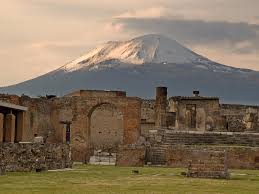 Pompei si estende per oltre 80 mila metri quadrati; circa 2/3 della città sono stati scavati. Le strade sono costruite in pietra poligonale nella tradizionale griglia romana. Case e negozi fiancheggiano entrambi i lati delle strade. Le case più ricche si trovano nel nucleo
  centrale della città, o potrebbero occupare un’intera insula (un isolato). Pompei è stata divisa in nove regioni, ciascuna chiamata “Regio”; mappe, come la Bellum Catilinae,rappresentano in dettaglio le 17 insulae all’interno della Regie così come le case, i negozi e gli appartamenti in ogni insula (vedete
  un’area di circa 8 ettari nel settore nordovest di Pompei. Alla fine del 2016 è stata riaperta la Casa dei Vettii. Questa era una domus o casa appartenente a due famiglie di schiavi liberati. Un celebre affresco di Priapo con un fallo gigantesco si trova nel vestibolo d’ingresso per tenere lontano il malocchio dalla casa. (Le immagini erotiche erano piuttosto comuni in quest’epoca). Nell’atrio due casseforti rialzate su
  blocchi in pietra, rivestite di ferro confermavano che ci si trovava nella casa di una famiglia ricca. Nel triclinio (sala da pranzo formale) ci sono diversi affreschi, tra cui la famosa “Arianna abbandonata da Teseo a Nasso”. Altre case riaperte nel Regio VI sono la Casa degli Adone ferito, in cui spicca un grande affresco con Adone morente soccorso da Venere, e la Casa dell’Ancora, che prende il nome da un bellissimo mosaico in bianco e nero.
 Ma era durante il 2018 che molte nuove scoperte sono state riportate sui giornali internazionali, per lo più in Regio V, che era un’area in gran parte non scavata nel settore nordest di Pompei. La prima vittima nella zona è stata scoperta a maggio – lo scheletro di un uomo che è sopravvissuto all’esplosione iniziale del Vesuvio, ma che poi è stato schiacciato da una masso mentre tentava di fuggire. La squadra ha anche trovato la cavità lasciata dal corpo di un cavallo ed è stata in grado, per la prima volta, di realizzare un cast completo del corpo di un cavallo ucciso nell’eruzione. Gli esperti pensano che il cavallo, rimpicciolito dagli standard odierni, fosse eccezionalmente grande per il suo tempo. Tracce di un’imbracatura in ferro e bronzo sono state trovate nelle vicinanze, il che suggerisce che l’animale fosse un cavallo da parata appositamente allevato, probabilmente di notevole valore.
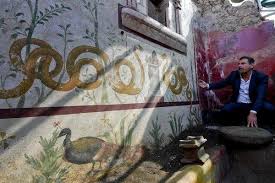 In ottobre, gli scavi hanno scoperto un antico santuario, noto come larario, incastonato nel muro di una casa fiancheggiato da immagini di divinità romane e circondato da idilliaci dipinti di piante, serpenti e un pavone realistico. Sotto il santuario, l’altare offre tracce di offerte bruciate da quasi 2.000 anni fa. Ogni casa aveva un larario di qualche tipo, ma questa casa aveva anche un giardino e una piccola piscina che suggerivano che il proprietario fosse particolarmente agiato. Secondo Massimo Osanna, il soprintendente di Pompei, la Casa del Giardino era eccezionale non solo per l’incredibile decorazione della pittura murale, ma anche perché era molto ben conservata.
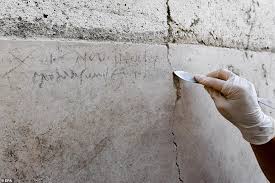 Una settimana dopo ci fu una scoperta straordinaria nella Casa del Giardino. Sul muro di una stanza in ristrutturazione all’epoca, c’era un’iscrizione in carboncino con una data corrispondente al 17 ottobre. Pertanto, l’eruzione del Vesuvio non poteva essere avvenuta in agosto come è stato creduto per secoli, ma forse in ottobre o novembre del 79 d. Una prova ulteriore si trova negli indumenti più pesanti indossati dalla gente che furono sepolti nella cenere. La frutta e la verdura fresca nei negozi sono tipici di ottobre, e la frutta estiva era già venduta secca. Le monete trovate nella borsa di una donna non potevano essere state coniate prima della metà di settembre.
 E poi nel novembre del 2018 è arrivato l’annuncio di un’altra straordinaria scoperta: un affresco eccezionalmente ben conservato raffigurante la scena mitologica di Leda e il cigno. Mostra lo stupro della regina di Sparta da parte di Giove (Zeus ai Romani) nella forma di un cigno. È stato dissotterrato nella camera da letto di una casa in corso di scavo sulla Via del Vesuvio. Osanna disse che l’affresco suggeriva che il proprietario volesse mostrare il potere della sua famiglia.
 E infine, a dicembre è stato scoperto un altro cavallo di razza; indossava una sella militare placcata in bronzo e sembrava pronta a partire non appena iniziata l’eruzione. Insieme ai resti di altri due cavalli, questo cavallo fu scoperto nei resti di una scuderia collegata a una sontuosa villa suburbana a Civita Giuliana, fuori dalle mura di Pompei. Secondo Osanna, la villa aveva stanze riccamente affrescate e arredate, ed un quartiere di servizio. Un’aia e magazzini di olio e vino erano anche situati sulle terrazze in pendio di fronte al Golfo di Napoli e Capri.
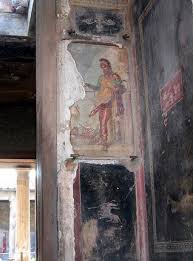 common in this era.) In the atrium there are two safes raised on stone blocks and covered with iron; they confirmed to the visitor that one was in the home of a rich family. In the triclinium (formal dining room) are several frescoes, including the famous “Ariadne abandoned by Theseus at Naxos.” Other houses reopened in Regio VI are the House of Adonis, in which there is a large fresco of the dying Adonis rescued by Venus, and the House of the Anchor, which takes its name from a beautiful black and white mosaic.

