
In 2016, “Drinks International,” a prestigious magazine in the world of cocktails, ranked the best-loved drinks in the world. The Negroni came in second behind the Old Fashioned. Rounding out the top 10 are the Manhattan, Daiquiri, dry Martini, Whiskey Sour, Margarita, Sazarec, Moscow Mule, and Mojito.
The history of the Negroni is interesting. It is Italian, of course, but with a twist of American and a splash of British. At the end of the nineteenth century in the fashionable Florentine cafés in the late afternoon, it was “the hour of vermouth” for gentlemen. It was all the rage at the time to drink a combination of vermouth and bitter (Campari), garnished with a lemon, that even today is quite loved. It was first called Milano-Torino (after the cities of origin of the alcohol) and then, ironically, “the American.” This was the dawn of the Negroni.
 Count Camillo Negroni (1868—1934) was an eccentric, creative, and charming member of Florence’s artistic and cultural elite. One day sometime between 1917 and 1920, he was at an elegant bar in Florence’s town center. He ordered an “Americano” but then asked the young bartender, Fosco Scarselli, to “strengthen” his drink. The choice became a British gin, which would raise the alcoholic level without diminishing the beautiful red color. It was garnished with an orange to distinguish it from its predecessor. For a brief period, this drink became known as “An Americano in the manner of Count Negroni,” but very soon simply, “Negroni.”
A Negroni is easy to prepare, easy to remember, and easy to order in many languages. It is

OLYMPUS DIGITAL CAMERA
a third gin, a third of Bitter Campari, and a third of red vermouth mixed in a glass with a lot of ice and a slice of lemon (or orange). Together with the Bellini, it is the Italian cocktail most known and consumed in the world. It has seduced many American celebrities, including Orson Welles. During the ‘50s it became one of the preferred drinks in “transition bars,” the so-called passenger lounges in train stations. The drink was immortalized in the film “The Roman Spring of Mrs. Stone” (1960), adapted from the novel by Tennessee Williams, where the protagonist orders “a magnificent Negroni’ in one of these bars “to forget [her late husband] and open herself to young love.” Even Ian Fleming, the creator of James Bond, in his story Risico (1960) became an ambassador for the drink…served, of course, with Gordon gin.
As long-lived and beloved as the Negroni is, there have been variations over time. In Rome in 1950, the Jubilee year, the barman at the Excelsior Hotel decided to dedicate a cocktail to a cardinal who chose that place for his aperitivo. Inspired by the color of his  “suit” he came up with a variation: he substituted Martino rosso for the Dry and “The Cardinale” was born. In the 1970s came The Mistaken Negroni, in which the drink was “lightened” by substituting sparkling wine for gin. In fact, the bartender in Milan at the time mistook one bottle for another and thinking he was pouring gin, added the brut. It pleased those who were present and took hold. In England it is called the Negroni Mistaken and in Spanish-speaking countries, the Negroni Equivocado.
 Then there is the Negroski with vodka in place of gin. And the Western Style Negroni with Wild Turkey bourbon instead of gin, garnished with drops of bitter chocolate. Fortunately, Count Negroni isn’t around to witness these.
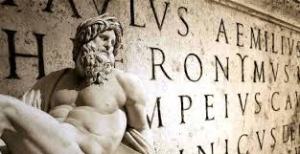 origine, cioè il latino. È sbagliato pensare che i dialetti siano una corruzione dell’italiano. Ma è vero che ognuno ha un ruolo specifico: Uno di quelli è la lingua della comunicazione all’interno della Repubblica Italiana; gli altri hanno un uso più limitato – fra le famiglie e gli amici, o fra la gente all’interno di una zona geografica.
 prima in Italia.
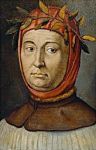 Boccaccio (1313-1375, nato a Certaldo vicino a Firenze), che sono considerati i padri della letteratura italiana. Per ragioni culturali e letterarie, è successo che autori del nord e del sud hanno iniziato a scrivere in dialetto toscano. Man mano il toscano ha
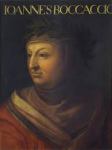 acquistato una posizione predominante. Gli autori che volevano essere letti e ascoltati da più persone possibili erano obbligati a conoscere ed usare questo linguaggio. Il grande scrittore italiano, Alessandro Manzoni (1785-1873), autore de “I Promessi Sposi”, è nato a Milano ma ha viaggiato a Firenze per migliorare le sue abilità di scrittore.
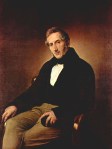
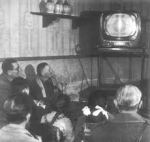 standard è stato anche influenzato progressivamente da altri italiani, in termini di vocabolario, sintassi e pronuncia. La più grande influenza sulla diffusione dell’italiano negli ultimi 50 anni è stata la televisione. Dalla sua introduzione negli anni cinquanta, le persone andavano al bar per guardare ed ascoltare la televisione, che è diventata una sorta di scuola di lingua. Poi negli anni ’60 la gente cominciò ad acquistare televisori per le loro case. In meglio o in peggio, la televisione è diventata l’invenzione sociale che ha unito il paese linguisticamente.


