
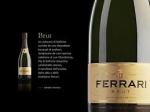
 The news comes from London directly from the newspaper, The Guardian. An article cites a dentist who says that the teeth of a growing number of Brits are being ruined by Prosecco…by the acidity and the sugars of the Italian wine. It says that Prosecco causes holes in your teeth, lacerates the enamel, and wears away the gums.
The message is clear: “Brits, save your teeth and stop drinking Prosecco!” But the prestigious newspaper does not cite any solid scientific basis for this claim. Why would the bubbly from the Veneto and from Friuli Venezia Giulia be more damaging than that of French champagne or that which Great Britain began producing a few years ago? There is nothing in the article to suggest that there is anything harmful in the Italian varietal or in the wine-making process of Prosecco.
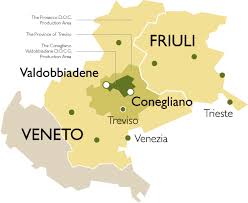 Could there be something else behind the wish to put the Italian wine in the crosshairs? Let’s look at a brief and recent history of Prosecco and its phenomenal growth. In 2016, 90 million bottles were sold, a growth of 8% over 2015. And in 2015 there was a 15% increase over the preceding year with only a small increase in the territory cultivated…from the rugged hills to the plains where the grapes are grown in these two Italian regions. In fact, the cultural identity of the territory is now a candidate as a UNESCO world heritage site.
Great Britain became the first market for Prosecco outside of Italy earning 366 million euros in 2016, which was an increase of 33% over the preceding year. The Brits drain 40 million liters a year, thanks also to less expensive price tag than other wines. The average price of a bottle is between 10 and 16 euros for the consumer, and Prosecco has become ever more popular.
Do you think that as Brexit nears, Great Britain might be looking for ways to increase locally produced products (like the English bubbly) and to find ways to limit imports? Let’s see what the politicians say.
A few months ago, the former mayor of London told the Italian economic development minister that if you don’t allow the free circulation of goods and people after Brexit, we will block Prosecco. To which the economic minister replied: and we will block fish and chips (which I can’t imagine would be a huge loss to the Italians). Then the governors of the two Italian regions that produce this wine—who are usually on opposite political poles—agreed on this issue. One called the British article fake news, the other said, “I hope that after Brexit in Great Britain, there is a need to help the citizens to smile again: taken in moderate doses, our Prosecco makes miracles.”
 Even if the Brits know that where there is Prosecco, there is a smile, the French won’t be happy when they hear what the Italians say: “For some time now we have been watching champagne in the rearview mirror.”
For other “food fights,” see “Amatriciana-gate” (March 5, 2015), “Fish and Chips” (April 9, 2015), “Carbonara-gate” (May 13, 2016), and “Rigatoni White Bolognese” (November 10, 2016).
 Una serie di terremoti potenti ha colpito l’Italia l’anno scorso (nel agosto e ottobre del 2016 e nel gennaio del 2017) in Abruzzo, Lazio, e Le Marche. Hanno causato morti e danni di 23 miliardi di euro—alcuni a strutture e arte di valore inestimabile. Quando abbiamo visitato la Sicilia l’autunno scorso, siamo andati in ristoranti che hanno donato ordini di pasta all’amatriciana alle vittime del terremoto e al processo di recupero. Quando siamo andati a Orvieto durante Settimane Santa in aprile, Zubin Mehta ha diretto un concerto nel Duomo; il pubblico ha donato alle vittime del terremoto.
 molti animali, tra cui topi, serpenti, e donnole fuggirono pochi giorni prima dell’arrivo di un devastante terremoto. Altri episodi simili vennero riportati in seguito: pescegatti in movimento
  frenetico, polli che smettono di fare le uova, ed api che abbandonano l’alveare, e cani e gatti che si comportano in maniera strana. Tuttavia, non è noto precisamente cosa gli animali sentano. Alcuni esperti hanno proposto che siano in grado di percepire le vibrazioni della terra prima degli esseri umani, altri che si accorgano di mutamenti del campo elettrico nell’aria o nei gas rilasciati durante una scossa.
 centrale. In precedenza aveva condotto uno studio sulle eruzioni vulcaniche dal 2012 al 2014 controllando le capre e le pecore sul lato dell’Etna in Sicilia. Gli animali hanno previsto le 8 eruzioni vulcaniche da 4 a 6 ore in anticipo: durante la notte gli animali si svegliarono e camminavano nervosamente, e durante il giorno si trasferirono in una zona sicura dove la vegetazione alta suggeriva che fosse stata risparmiata dai flussi di lava precedenti.
 Ora il direttore dell’Istituto Max Planch per l’Ornitologi alleva animali nella fattoria italiana – un coniglio, pecore, mucche, tacchini, polli, e cani – con piccoli sensori sofisticati che misurano i movimenti ogni secondo: la direzione magnetica, la velocità, l’altitudine, la temperatura, l’umidità, l’accelerazione, e la posizione. Crede che diverse specie possano sentire l’ambiente in modo distinto e insieme potrebbero formare un sistema collettivo di rilevamento.

