
Whenever Matteo Renzi, former prime minister of Italy, was televised speaking English over the last few years, I cringed. Not because of his mistakes, which were somewhat endearing, but because the videos went viral, and much of Italy mocked him. Ironically, most people in Italy have relatively poor English language skills. The results of a global study in 2019 ranked Italy the worst country in the European Union in English proficiency. The Netherlands ranked first of 100 countries and Italy placed 36th just behind Spain in moderate competency and behind all other EU countries. Test scores varied by region with Molise, Puglia and Basilicata at the bottom; home to Bologna’s famous university, Emilia-Romagna ranked highest among the regions.
The reasons are many and varied. The first big problem is that the Italian education system tends to focus on acquiring theoretical knowledge rather than the practical application of it. This is especially a problem for languages because they need to be practiced by speaking, listening and writing. Italian students who study English are required to memorize grammar rules without practicing and speaking the language. No wonder students tend to forget everything after they leave school. This is compounded by the fact that there are few native English speakers in the schools.
Another reason is related to the economy. Most Italian companies are family-run businesses aimed at the Italian market. As exports become more important, so does the need for English proficiency. Unless people speak English daily at work, school, or on the street, it is difficult to acquire any level of proficiency. Not even many highly educated professionals have command of the language. Perhaps those most likely to speak English fluently are in the tourism industry. English is also the preferred language of scientists and of international athletes; the 23-year-old Roman tennis player, Matteo Berrettini, who is now in the top ten worldwide, speaks English quite well during his interviews.
When it comes to the media, all entertainment—movies, cartoons, TV shows and documentaries—are translated from English into Italian because the Italian dubbing industry is among the best in the world. Dubbing is a legacy of fascism, has a very strong tradition, and is used in almost every adaptation of foreign productions. But watching movies in another language can be a fun and effective way to learn that language. Fortunately, there are more opportunities today with streaming and online services.
Italians consider public speaking to be an art form. This skill is prized and people concentrate on learning how to create a good discourse in Italian with the appropriate words and plenty of embellishments. In fact, in Italy even university exams are oral, rather than written as in the United States, and students learn to manage their anxiety and to create competent and creative presentations from a stylistic point of view. Maybe this is why so many Italians mocked Matteo Renzi’s speeches in English. The current foreign minister, Luigi Di Maio, rarely attempts to speak English and is also ridiculed when he does.
 Recentemente, ho scritto sul Charging Bull, una statua in bronzo di Arturo Di Modica collocata vicino alla Borsa di New York. I viaggiatori della Grande Mela non solo posano con il toro, ma ne accarezzano il naso, le corna ed i testicoli per aggraziarsi la buona fortuna e avere successo negli affari. Ci sono monumenti, colonne, fontane, piastrelle e alberi in tutto il mondo, in particolare nelle città turistiche, dove antiche tradizioni ispirano i passanti a strofinare o accarezzare la superficie in cerca di prosperità, salute o denaro. Ecco sei bronzi in Italia dove questa tradizione domina e dove parti dei bronzi vengono lucidate affinché brillino.
 Il Porcellino è il soprannome di una fontana in bronzo che rappresenta un cinghiale selvatico, nella loggia del Mercato Nuovo del centro storico di Firenze, vicino a Ponte Vecchio. La statua ha una lunga storia. L’originale era una statua in marmo di età ellenistico presumibilmente del cinghiale calidonio, uno dei mostri della mitologia greca. Secondo la leggenda, Artemide mandò il cinghiale a devastare la regione di Calydon perché il suo re non era riuscito a onorare Artemide nei suoi riti agli dei. Una copia italiana in marmo dell’originale è esposta agli Uffizi. La figura della fontana, che ora ha eclissato l’originale in marmo, fu scolpita dal maestro barocco Pietro Tacca intorno al 1634. Era destinata al Giardino di Boboli, poi fu trasferita nel Mercato Nuovo. L’attuale statua è una copia moderna collocata lì nel 2008; il bronzo originale di Tacca è conservato nel Museo Stefano Bardini di Palazzo Mozzi.
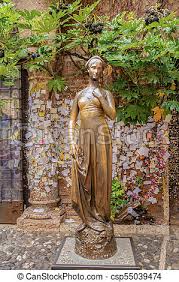 Nel centro storico di Verona si trova una casa dei primi del XIV secolo, che si dice sia quella dei Cappelletti, una famiglia nobile. La statua in bronzo originale di Giulietta, opera di Nereo Costantini del 1972, è stata spostata per motivi di conservazione nell’atrio interno alla casa-museo di Giulietta. Per molti anni, una copia della statua in bronzo è stata collocata sotto il famoso balcone.
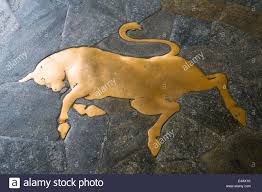 Incastonato nel marciapiede sotto i portici di Piazza San Carlo è il simbolo della città – il toro rampante di Torino – risalente al 1930. Secondo la leggenda locale, calpestare i testicoli del toro porta fortuna. Mentre i torinesi credono profondamente in questa superstizione, sono anche abbastanza riservati e preferiscono fare questo rituale inosservatamente. Meglio sedersi a uno dei tavoli all’aperto di Caffè Torino e osservare la scena in questione.
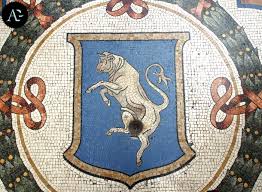 Ancora una volta il portafortuna è il toro (e i suoi testicoli). Progettata nel 1861 dall’architetto Giuseppe Mengoni, la bellissima Galleria Vittorio Emanuele II contiene quattro distinti disegni a mosaico nel pavimento. Ognuno ritrae lo stemma delle tre capitali del Regno d’Italia (Roma, Firenze e Torino) e il simbolo di Milano. A rappresentare Roma è la lupa insieme a Romolo e Remo; il fiore di giglio rappresenta Firenze; una croce rossa su sfondo bianco simboleggia Milano; e per Torino è il toro che balla. La leggenda narra che girare tre volte con gli occhi chiusi e il tallone sui testicoli del toro porterà fortuna. E ora Eataly Las Vegas ha reso omaggio alla sua città natale installando un mosaico di un toro che balla all’interno del negozio. Non so se la tradizione abbia accompagnato il negozio a Las Vegas.
 La Cappella Colleoni è la struttura rinascimentale costruita accanto alla Basilica romanica di Santa Maria Maggiore nella Piazzetta del Duomo nella Città Alta di Bergamo. La cappella ospita il mausoleo di Bartolomeo Colleoni, un gangster mercenario e feudale la cui vanità non conosceva limiti. Tutto intorno alla facciata della cappella e al recinto di ferro sono lo stemma / scudo del gangster. Sul cancello d’ingresso, la cresta include tre forme di rene che dovrebbero essere “le tre palle di Colleoni”. Non è noto se avesse o meno il policloridismo; ma certamente gli piaceva vantarsi di essere più forte dei semplici uomini mortali.
 La rara lucertola a due code sul portale del Battistero vicino alla Cattedrale di Pisa ha portato buona fortuna per secoli. Accarezzare la lucertola 100 giorni prima che gli esami di maturità dovrebbe portare fortuna. Un altro rituale fortunato è un tour del Battistero su una gamba sola. Ma gli studenti universitari dovrebbero astenersi dall’arrampicarsi fino alla cima della torre pendente di Pisa o fare un giro completo attorno ad essa.

