
 In December 2002, Octave Durham and an accomplice climbed onto the roof of the Van Gogh Museum in Amsterdam using a ladder, broke a window with a sledgehammer, and lifted two priceless Vincent van Gogh paintings off the wall. He and his accomplice escaped by sliding down a rope they had put in place. The heist took 3 minutes and 40 seconds. Durham recounts in a 2017 documentary: “When I was done, the police were there, and I was passing by in my getaway car. I took my ski mask off, rolled the window down, and I was looking at them.” His guiding principles are to be cool, have a fast car, always wear black, and never touch anyone.” In fact, in his many robberies, he has never been violent.
Why did he steal the van Gogh paintings? “I did it because I saw the opportunity.” He saw the museum window and thought it would be an easy smash. He took the two smallest paintings closest to the entry window. He didn’t have a buyer beforehand but thought that he could either sell the paintings or use them as a bargaining chip with law enforcement. In fact, as a youth, Durham had a criminal neighbor who returned two stolen Van Gogh paintings to the Dutch judiciary hoping to get a lighter sentence in a drug smuggling case. In Durham’s case, he first offered the paintings to two known criminals, but both of them were murdered before the deal could go down.
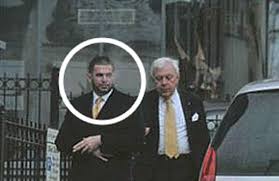 Ultimately, he sold the paintings for about $380,00 to Raffaele Imperiale, the renowned Camorra drug boss who, at the time, owned an Amsterdam “coffee shop.” Durham and his accomplice spent the money in about six weeks—motorcycles, a Mercedes, clothes, jewelry, a trip to New York. The purchases helped investigators track Durham, but it was DNA from the baseball cap he left in the museum that convicted him of the crime in 2004. He spent 25 months in prison without revealing the whereabouts of the paintings.
According to his lawyers, Imperiale knew that the paintings had been stolen but bought them anyway because he was “fond of art” and they were “a good bargain.” But after he moved the paintings to his mother’s house near Naples for safekeeping, he left the Netherlands for Dubai around 2013. In 2016 he wrote to a public prosecutor in Naples informing her that he had the paintings. He may have hoped for leniency but he was sentenced in absentia to 20 years in prison. Prosecutors are seeking his extradition while Imperiale stayed at expensive villas and $1,500-a-night hotel rooms in Dubai, enjoying the fruits of his career in drug trafficking.
Investigators raided the house in Castellammare di Stabia and recovered the paintings, which were eventually returned to the museum in Amsterdam. There are many other examples of the link between stolen art and organized crime, the most notable being the 1969 theft of Caravaggio’s “Nativity” from the Oratorio of San Lorenzo Church in Palermo. It remains the Holy Grail of the Carabinieri and is among the FBI’s 10 most wanted works.
The connection with organized crime is salient because, otherwise, who would buy a painting widely publicized as stolen? Thieves don’t steal art to hang on their walls—that is, for beauty, pride or status. They steal art to make money. Some less sophisticated thieves may think that they will be able to sell art on the open market and then find out that there aren’t legal buyers. They have to turn to the criminal underworld where a painting will sell for only about 5% of its value in the legitimate art market. Most likely the thief or the criminal at the other end of the deal hopes to use it as a bargaining chip with law enforcement…although it didn’t work for Imperiale.
During the coronavirus pandemic, Octave Durham watched the surveillance video of the March 2020 heist of yet another van Gogh, this time from the Singer Laren Museum in Amsterdam. Durham thought the thief wasn’t professional enough, because he wasn’t fully dressed in black. He wore jeans and Nike sneakers. But at least that thief didn’t leave behind his baseball cap.
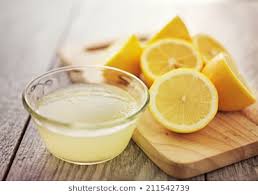 Usato in molte culture e in molti piatti, il succo dei limoni sembra essere un condimento universale. In Italia è usato per insaporire il pesce di mare lungo la costa, per fare rinfrescante sorbetto o una granita e poi per preparare i classici dolci italiani. Durante il medioevo, il sorbetto si faceva con la neve raccolta in montagna, conservata in profonde caverne fino all’estate, per essere infine servito sulle tavole dei ricchi mercanti amalfitani per impressionare ospiti e compagni di mercanzie. Oggi, anche le foglie degli alberi di limone vengono utilizzate per preparare piatti come le frittelle di Ceceniello.
 I limoni italiani hanno sempre avuto un significato mistico, probabilmente risalente dall’epoca romana. Furono persino raffigurati negli affreschi di Pompei. Il limoncello tuttavia, ha una storia assai discussa, infatti si racconta di pescatori e agricoltori che, durante il Medioevo, bevevano un bicchierino di limoncello la mattina presto per riscaldarsi… o la sera per combattere il raffreddore dopo essere tornati dal mare. Un’altra sostiene invece che la ricetta ebbe origine in un convento per fortificare i monaci durante le preghiere.
 La storia recente racconta che il limoncello nacque all’inizio del XX secolo in una piccola locanda sull’isola di Capri. Ed è a Maria Antonia Farace, che è attribuita la creazione del limoncello, la quale aveva un grande giardino di limoni e arance. Dopo la seconda guerra mondiale, suo nipote aprì un ristorante nelle vicinanze, la cui specialità era il liquore al limone prodotto da sua nonna. Nel 1988, il figlio del nipote ha iniziato una propria produzione artigianale di limoncello, registrandone il marchio.
 Il vero luogo di nascita del liquore più famoso d’Italia potrebbe essere Capri, Sorrento o Amalfi. Indipendentemente dall’origine, ciò che rende speciale il limoncello è il tipo di limone utilizzato. Tradizionalmente è prodotto dalla scorza dei limoni Femminello di Santa Teresa, noto anche come sfusato amalfitano, coltivato lungo la Costiera Amalfitana tra le città di Vico Equense e Massa Lubrense. I limoni sono unici: lunghi,
  affusolati e doppi per grandezza rispetto agli altri limoni. Hanno una buccia spessa e rugosa, un profumo intenso e una polpa dolce e succosa. In effetti, possono essere mangiati come una mela. Il segreto proviene dal territorio amalfitano, protetto dai freddi venti del nord, ma esposto alle brezze marine e al forte sole del Mediterraneo.
 Mille grazie alla nostra amica, Sue Mellor, volontaria al Palazzo di Giustizia di Santa Barbara con mio marito, Bill. Mi ha consigliato il video su YouTube, “Come viene prodotto il limoncello usando enormi limoni della Costiera Amalfitana”. I parenti di Sue venivano dalla Sicilia, altro luogo storico deputato alla produzione di limoncello.

