
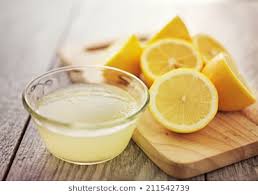
 Used in many cultures and for many dishes, the juice of lemons seems to be a universal condiment. It is used to flavor fish and seafood along the beautiful coasts of Italy and to make refreshing sorbet / granita, Babà, and other classic Italian desserts. In medieval times, the sorbet was made from snow collected high up in the mountains and stored in deep caverns until the summer when it was brought to the tables of wealthy Amalfi merchants to impress guests and fellow merchants. Today, even the leaves of lemon trees are used to prepare dishes like frittelle di Ceceniello.
 Italian lemons have always had a mystique, probably dating from the Roman era. They were even depicted in the frescoes of Pompeii. Limoncello, however, has a more contested history. One story tells of fishermen and farmers who, during the Middle Ages, drank a shot of limoncello in the early mornings to warm up…or in the evenings to fight off colds after returning to shore. Another says that the recipe originated in a convent to fortify monks between prayers.
 Recent history recounts that limoncello was born at the beginning of the twentieth century in a small inn on the island of Capri. Maria Antonia Farace, who had a large garden of lemons and oranges, is credited with the creation of limoncello. After World War II, her grandson opened a restaurant nearby whose specialty was the lemon liqueur made by his nonna. In 1988, the grandson’s son started an artisanal production of limoncello and registered its trademark.
 The true birthplace of Italy’s most famous liqueur could be Capri, Sorrento, or Amalfi. Regardless of the origin, what makes limoncello special is the type of lemon used. Traditionally, it is made from the zest of Femminello St. Teresa lemons, also known as sfusato amalfitano, which are cultivated along the Amalfi Coast between the towns of Vico Equense and Massa Lubrense. The lemons are unique: long, tapered, and double the
 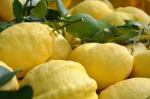 size of other lemons. They have thick, wrinkled skin, an intense perfume, and a sweet, juicy flesh. In fact, they can be eaten like an apple. The secret comes from the Amalfi territory, which is protected from the cold northern winds but exposed to the sea breezes and strong sun on the Mediterranean.
Amalfi lemons are harvested by hand between the spring and summer. Pesticides are never used in their cultivation as the heart of limoncello production is the lemon peel infusion with alcohol. This process can take 3 days to weeks depending on family formulas and desired taste. The resulting yellow liquid is then mixed with a simple syrup. Limoncello tends to be opaque, the result of the emulsification of the sugar syrup and the extracted lemon oils. It is known as the “ouzo effect.”
Although sometimes served as an aperitivo, limoncello is traditionally served chilled as an after-dinner digestivo. Along the Amalfi Coast, it is served in small ceramic glasses that are also chilled. 
 Many thanks to our friend, Sue Mellor, who is a docent at the Santa Barbara Courthouse with my husband, Bill. She introduced me to a video on YouTube, “How Limoncello Is Made Using Huge Amalfi Coast Lemons.” Sue’s relatives came from Sicily where limoncello is also made.
 Appena finito il confinamento per la pandemia, gli italiani hanno iniziato a riscoprire il proprio straordinario patrimonio artistico … senza orde di turisti. Prima della pandemia, con 7,5 milioni di visitatori ogni anno al Colosseo, il monumento più visitato d’Italia, i romani erano stufi del traffico e della folla. Allo stesso modo, la gente del posto evitava i musei del Vaticano, dove 29.000 visitatori al giorno formavano code che potevano serpeggiare fino a un miglio.
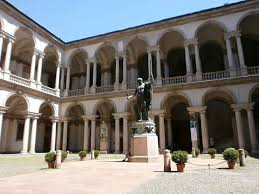 aperto a seguito dei bombardamenti durante la seconda guerra mondiale. La riapertura è avvenuta nel rispetto dei requisiti per mascherine, disinfettanti, sanificazione e distanziamento sociale. La capacità massima ora è di 152 persone, che si muovono in un’unica direzione, senza possibilità di tornare indietro, suddivise inoltre in sale in base alle dimensioni. I visitatori devono prenotare online e poi ricevere un link per “Brera Box”, dove si trovano attività e informazioni personalizzate per preparare al meglio il loro
  percorso. Al refettorio del Convento di Santa Maria delle Grazie a Milano, ci sono ingressi sfalsati per vedere Il Cenacolo di Leonardo da Vinci: 5 persone ogni 15 minuti. È un’opportunità per gli italiani di godere appieno del capolavoro, dettaglio per dettaglio, apprezzando le reazioni emotive e i gesti degli apostoli.
 Michelangelo, di Raffaello e di Caravaggio, per mantenere il distanziamento sociale. La galleria ha dimezzato il numero di persone che possono entrare, da 900 a 450, e le visite guidate sono limitate a un massimo di 10 persone. Il direttore degli Uffizi, Eike Schmidt, afferma: “Sarebbe meraviglioso se il modello di turismo rilassato che stiamo sperimentando agli Uffizi in questo particolare momento storico diventasse il modello del turismo in futuro”.
 A Venezia, sono i veneziani ad affollare le piazze. L’italiano e il dialetto veneziano si riverberano nei vicoli, lungo le rive e i portici. L’assenza di navi da crociera ha ridotto l’acqua alta e ha permesso ai locali di navigare con piccole barche e canoe su acque molto più pulite. I veneziani si sono persino radunati per protestare contro un nuovo molo, che avrebbe portato navi pieni di turisti attraverso uno degli ultimi quartieri vivibili di Venezia.
 organizzatori turistici hanno organizzato proteste di fronte al Pantheon a Roma e in altre città per aumentare la consapevolezza della loro situazione. Con 63 milioni di stranieri che viaggiano ogni anno in Italia (oltre 1 per ogni cittadino), il turismo rappresenta oltre il 13% del prodotto interno lordo dell’Italia. Circa 3,5 milioni di persone in Italia dipendono dal turismo per il proprio sostentamento: ristoratori e camerieri, albergatori, insegnanti di lingue, guide turistiche e tassisti. Molte persone lavorano come freelance.
 potenziamento dei tesori artistici italiani. “È un disastro”, ha detto Massimo Osanna, direttore del sito archeologico di Pompei, che l’anno scorso ha attirato quasi quattro milioni di visitatori. Da 40.000 visitatori al giorno nel suo massimo, il sito ora è limitato a 400 al giorno e a volte si presentano solo 250 persone. “Era come essere in un quadro surrealista”, ha detto. “Non saremo in grado di realizzare molti dei progetti che avevamo programmato. Ora siamo concentrati su cose che non possono essere rimandate, come la manutenzione ordinaria “.
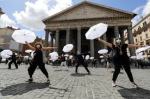 organizers have staged protests in front of the Pantheon in Rome and throughout other cities to raise awareness about their plight. With 63 million foreigners travel to Italy annually (more than 1 for every citizen), tourism accounts for more than 13% of Italy’s gross domestic product. About 3.5 million people in Italy depend on tourism for their livelihood, including restaurateurs and waiters, hoteliers, language teachers, tour guides, and taxi drivers. Many people work on a freelance basis.
 L'Olivo Santa Barbara