
 Giovanni Jacuzzi (1825 – 1929) and his wife Teresa had a large family of 13 children. A farmer in the village of Casara della Delizia, 80 km northwest of Trieste in the northern region of Friuli-Venezia-Giulia, Giovanni became increasingly disillusioned with the government’s hawkish policies. World War I was the last straw: Giovanni ordered the eldest seven Jacuzzi brothers to set sail for America. Endowed with an entrepreneurial spirit, Rachele, Francesco, Valeriano, Galindo, Giuseppe, Giocondo and Candido settled in the San Francisco area and quickly became productive.
For a short time, Rachele worked in a mechanic shop owned by a Mr. McDonnell, who later established the renowned aerospace corporation. Soon thereafter Rachele designed a 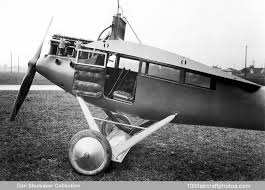 propeller called the Jacuzzi Toothpick. His design became the military standard, as well as the prop choice for Charles Lindbergh. The brothers poured their energy and creativity into the burgeoning aviation industry. They designed the Jacuzzi J-7, the first enclosed cabin monoplane, which attracted widespread interest. But then tragedy struck: In a flight from Yosemite to San Francisco, the plane carrying Giocondo crashed killing all four passengers and the family’s involvement in the industry. By this time the entire Jacuzzi family had moved to San Francisco. Father Giovanni forbade further involvement in aviation.
 It was time to reinvent. Based on his knowledge of aerodynamics, Rachele had invented a pump that moved water using water. The family decided to market the pump for irrigation purposes to the farmers in the nearby San Joachin Valley. Candido, the youngest son, was a successful salesman, and soon pump sales took off. Business boomed, and the family purchased a factory in the Richmond area where the building still stands today, on Jacuzzi Drive.
As Candido rose in the business, his family grew. His fourth child, Kenneth, as a toddler became ill with strep throat that resulted in the complication of juvenile rheumatoid arthritis. It is a painful autoimmune disease that causes joint inflammation and stiffness. Doctors prescribed drugs, physical therapy and hydrotherapy in a whirlpool tank—a tub that used a pump! The family then designed the first submersible pump, a metal canister that could be placed safely in a tub of water and called it the J-300. Ken’s physician was impressed and encouraged Candido to manufacture pumps for other patients.
 The Jacuzzi family was skeptical about developing consumer-based products, but Candido persevered. One of his marketing
  ideas was to give away jacuzzis as prizes on “Queen for a Day” (1945 – 1964), a popular daytime television show watch by millions. The Jacuzzi name caught on. Innovation and evolution continued: Air jets and water were incorporated into the sides of large bathtubs producing the modern Jacuzzi, which became the ultimate romantic symbol of the 1970s and beyond.
The family eventually sold the business, which is now headquartered in southern California and has become a multi-billion-dollar company. But the Jacuzzi entrepreneurial spirit lives on in northern California. Valeriano’s grandson opened the Jacuzzi Family Vineyards in 2007. The buildings and operation are a tribute to the Jacuzzi family history and home in Casarsa, Italy…at the gateway to Sonoma, California.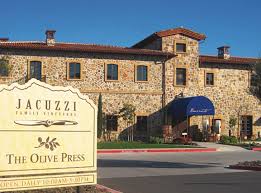
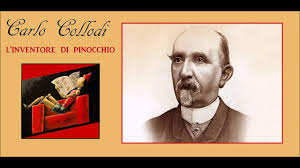 Così iniziava nel 1881 il primo episodio della “Storia di un burattino”. Originariamente pubblicato in forma seriale su una delle prime riviste settimanali per bambini, “Le avventure di Pinocchio” di Carlo Collodi in seguito fu infine pubblicato come libro.
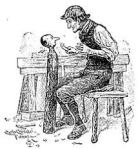 esterrefatto quando il ceppo si mise a gridare. Dà il lego al suo vicino Geppetto, un povero uomo che ha l’intenzione di guadagnarsi da vivere come burattinaio. Mentre Geppetto stava scolpendo il legno per fare un ragazzino, il burattino dava già segni di birbonata: dopo aver scolpiti i suoi piedini, infatti prende a calci il povero Geppetto, gli ruba persino la parrucca e poi scappa.
 indossare un colletto con le punte e servire come un cane da guardia. Mangiafuoco, il direttore del Teatro delle marionette, minaccia di bruciarlo come legna da ardere, ma alla fine lo libera e dà al burattino cinque monete d’oro da regalare a Geppetto. Invece Pinocchio incontra la volpe “zoppa” e il gatto “cieco”, i grandi truffatori. Convincono Pinocchio a piantare le sue monete nel Campo dei Miracoli perché daranno vita ad un albero che produrrà 2.000 pezzi d’oro. Inutile dire che il povero burattino viene ingannato.
 Ci sono tre mentori nella vita di Pinocchio: il Geppetto, che è paziente e indulgente, il Grillo Parlante, che rappresenta la voce della coscienza e la Fata dai capelli turchini, che è materna e premurosa. Insieme cercano di insegnare a Pinocchio l’obbedienza, il valore della scuola, del duro lavoro e la necessità di prendere buone decisioni ed evitare le false tentazioni. Gli insegnano anche che il disastro è sempre una possibilità. Per la maggior parte Pinocchio si fa beffe del consiglio; deve imparare queste lezioni nel modo più duro.
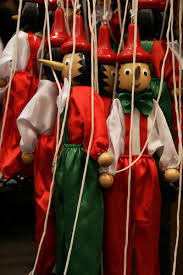 Collodi è stato un pioniere nella letteratura per bambini. Il suo contenuto e il suo stile erano nuovi, aprendo la strada a molti scrittori nel secolo successivo. Pinocchio ha avuto un impatto enorme sulla cultura mondiale. Ha ispirato innumerevoli spettacoli teatrali, film e merchandising. La maggior parte delle immagini del burattino mostra il naso del lungo bugiardo; in effetti, questo è un evento raro nella storia di Collodi. Forse viene dal film d’animazione di Disney del 1940, che la Library of Congress riteneva così culturalmente significativo da essere selezionato per la conservazione nel National Film Registry degli Stati Uniti. Il capolavoro di Collodi è stato tradotto in oltre 300 lingue, il che lo rende il libro non religioso più tradotto al mondo … e il più letto.

