
 Like every one of the Italy’s 20 regions, Piemonte has its unique agricultural products, recipes and traditions. The current fame of Piemonte’s cuisine is in large part tied to the excellence of its wines, in particular the Barolo, and to its rare and revered
  products like the white truffles of Alba. Piemonte is also the home to Nutella, the origins of the Slow Food Movement, and the beloved grissini. Because Piemonte shares a border with France, more butter is used in this region than other parts of Italy.
 Among the famous dishes of Piemonte is la bagna calda, a hot bath of olive oil and butter, garlic and anchovies into which you dip vegetables and bread. It is an Italian fondue. The pasta of the region is called tajarin, which is similar to tagliatelle. Only egg
 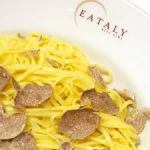 yolks are used in these thin, saffron-colored ribbons. Another golden pasta of the region is agnolotti al plin, which are delicate, petite ravioli filled with meat, vegetable or cheese. One of the most famous recipes is agnolotti dal plin al burro e salvia, which are little pasta pockets with butter and sage.
Piemonte is also famous for many lovely desserts, like bonet,  panna cotta, and zabaione, a rich custard made with Marsala wine and a decadent number of egg yolks. Pesche ripiene are baked peaches filled with chocolate and amaretti. But perhaps the desserts most representative of the region are those made with hazelnuts. It all started with the idea after World War II of incorporating chocolate into pulverized hazelnuts to make the gianduja paste, a forerunner of Nutella.
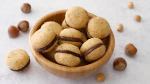 Today hazelnuts are used in many local Piemontese sweets, from baci di dama (hazelnut cookies) to nougat to the torta di nocciole
  (hazelnut cake). The nuts from Langhe have received the European Igp designation (protected geographic indication), which means that only products from that region can be identified as such in commerce. These hazelnuts have been cultivated since ancient times in an area within the provinces of Cuneo, Alessandria and Asti.
Hazelnute Cake
Ingredients:
150 grams (about 5.3 oz) whole hazelnuts
100 grams (about 3.5 oz) softened butter
200 grams (about 7 oz) sugar
3 eggs
1 T. olive oil
60 ml (about 2 oz) milk
200 grams (about 7 oz) flour
1 t. baking powder
Preparation: Preheat oven to 350 degrees F. Lay hazelnuts in a single layer on a baking tray and toast in the oven for 5 minutes. Remove and transfer the warm hazelnuts to a tea towel. Rub the nuts together in the towel to remove some of the skins. Transfer them to a food processor and pulverize just until they are fine like breadcrumbs. Beat the butter and sugar together in a mixing bowl. Add the eggs one by one, beating to incorporate well, then add the olive oil and milk. Fold in the hazelnuts, flour and baking powder. Place the mixture into a greased baking tin lined with parchment paper or dusted lightly with flour. Bake for 35-40 minutes or until the top is springy and a skewer inserted comes out clean.
 Variations: There are flourless versions that use only hazelnuts and versions that add cocoa. There are also versions that add 200 grams of crumbled amaretti and a little glass of dry Marsala. Or you can add a splash of rum or espresso to the mixture. Whichever version you make, it’s wonderful as it is, but you can dust it with powdered sugar or serve it with a warm zabaione or some softly whipped cream…and a glass of Moscato.
 Correva l’anno 1946, quando ci fu un’importante svolta nella storia d’Italia. Fu l’anno del referendum in cui i cittadini votarono per sostituire la monarchia con la repubblica. L’attuale presidente della Repubblica, Sergio Mattarella, ha ricordato ancora una volta il significato della Festa della Repubblica: “è il simbolo della scoperta della libertà e della democrazia da parte del nostro popolo. Dopo più di 20 anni sotto una dittatura e 5 di guerra, il 2 giugno 1946 fu l’inizio di una nuova era nella nostra storia e di un nuovo vita per un paese, che aveva sofferto come nessun altro durante la prima metà del secolo”.
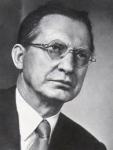 Secondo Veltroni, “quello che colpisce è trovare nelle migliaia di cognomi organizzati in ordine alfabetico, molti dei protagonisti della storia politica e culturale del Novecento”. All’epoca Alcide De Gasperi era primo ministro. In effetti, è stato l’ultimo primo ministro del Regno d’Italia e il primo della Repubblica italiana. Fu presente negli otto successivi governi di coalizione dal 1945 al 1953. Sebbene il suo nome non fosse sull’elenco, l’indirizzo e il numero di telefono di
 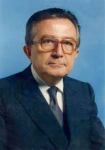 sua moglie, Francesca Romani De Gasperi, era sull’elenco. Essendo uno dei protetti di De Gasperi, Giulio Andreotti fu addetto al Gabinetto del Ministero fin da giovane età e ebbe numerosi incarichi ministeriali in una carriera politica durata ben quarant’anni. “Il Divo Giulio”, uomo chiave della politica italiana, è stato piuttosto controverso in termini di relazioni con il Vaticano, del crimine organizzato e del suo presunto ruolo nel rapimento e nell’assassinio di Aldo Moro, come rappresentato nel film Il Divo di Paolo Sorrentino.
 Federico Fellini aveva solo 26 anni quando fu pubblicato questo elenco telefonico. Dopo la liberazione di Roma, lui e un collega aprirono il Funny Face Shop a Roma disegnando caricature di soldati americani. Roberto Rossellini lo incontrò nel negozio e iniziò una lunga produzione di film Neorealisti, a partire da Roma, Open City fino a Paisà. Fellini diresse i propri film a partire dagli anni ’50.
 ebrei deportati dal ghetto nell’ottobre del 1943. Veltroni conclude il suo articolo con una storia personale molto commovente. Nell’elenco telefonico del 1946, ha trovato il nome, l’indirizzo e il numero di telefono di suo nonno, Cyril Kotnik, diplomatico sloveno alla Santa Sede, che aiutò molti ebrei e antifascisti a fuggire dalla persecuzione nazista dopo il 1943. Viveva in via Salaria 72, dove fu preso dai nazisti e poi torturato in via Tasso. Diverse pagine dopo c’è anche il nome e il telefono della persona in camicia nera che lo aveva denunciato per cinquemila lire.
 Walter Veltroni è stato sindaco di Roma dal 2001 al 2008. Al tempo era ampiamente considerato uno dei politici di centrosinistra più
  popolari d’ Italia. Nel 2005 ha incontrato a Washington, DC, l’allora senatore Barack Obama ed è stato uno dei suoi primi sostenitori all’estero. Ha scritto la prefazione all’edizione italiana di The Audacity of Hope nel 2007 ed è stato definito “la controparte europea di Obama”. Nel settembre 2014 a Venezia, in Italia, l’ex sindaco ha celebrato la cerimonia nuziale per George Clooney e Amal Alamuddin.
 (1948), Miracolo a Milano (1951), and Umberto D (1952). Alberto Sordi was also 26 at the time; his career spanned seven decades, starting with parts in Fellini films like The White Sheik and I vitelloni. Alberto Moravia was best known for his debut novel Gli indifferenti and for the anti-fascist novel Il Conformista, which became the basis for The Conformist, a film directed by Bernardo Bertolucci.
 L'Olivo Santa Barbara