
Summer in the city—Italian style. “Gourmet” gelato is now an established trend, from chefs who experiment in gelaterie to the numerous theme events in Italy like the Gelato Festival. Here are some unusual flavors that recall regional cuisine, as well as the names of famous gelaterie (just in case you’re traveling this summer).
 Basil and Pesto
Say Liguria and you immediately think of pasta al pesto. Basil and pine nuts now can end up in a cone. Garlic—not yet. Basil also goes very well with the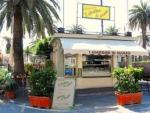 lemons of the Italian Riviera. The gelateria in Varazze, Giardini di Marzo, won the title “best gelato” in a review of Italian ice creams. Another pride of Liguria is the gelateria Chinotto di Savona.
 Bunet and Gianduia
Chocolate is almost a religious creed. In the Piedmont region, gelato is imbued with ingredients like cocoa, hazelnuts, and amaretto. If there is an atavistic sweet, however, it is Bunet, where you find amaretto liquor and sometimes cocoa. Alberto Marchetti is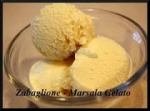 the Turin brand that is being exported throughout Piedmont and also in Liguria and even in “enemy” territory—first in Rome, then in Milan. If you’re in the area, you must also try the zabaglione at the Gelateria Popolare in Turin.
 Lemons of Amalfi
The lemon of Amalfi, known as Sfusato, is excellent and a very rare fruit, which is also distilled in the famous limoncello. Other quintessential tastes of Campania are the buffalo mozzarella and pastiera (puff pastry filled with ricotta, barley, and candied fruit), which can also be found in local gelaterie. An epic lemon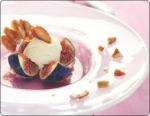 gelato of the coast can be found at Cremeria Gabriele of Vico Equense. But you might also be distracted at the last moment by the gelato with ricotta and figs. Another regional address is Casa Infante in Naples.
 The Prosciutto of Parma
Two icons of “gourmet” Italy adored outside of BelPaese are Prosciutto di Parma and Parmigiana Reggiano. Now they too are found in a vat of ice cream. Capolinea di Reggio Emilia is one of the most creative and famous gelaterie in Italy, where you also find some of the best typical ice creams in all of Italy.
 Squash
The squash of Mantovana is one of the flagships of Lombardy cuisine. Together with amaretto, it is the most classic of autumn risottos. Chantilly Moglia transforms these flavors into a famous gelato. If in Lombardy it’s worth a stop also at Bandirali a Crema, which commemorates the local specialty with a daring experiment for sweet desserts—salt. Try tortello cremasco and torrone on a cone—satisfaction guaranteed.
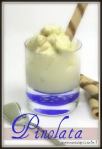 Pinolata
Pinolata is a cake typical of Tuscan cuisine, in particular around Siena and Chianti. It is a revelation to see it transformed into gelato, prepared with the pine nuts of Parco di San Rossore. These pine nuts are obligatory at the gelateria, De Coltelli , in Pisa. Other destinations thatspecialize in Tuscan traditions are Cantucci e Vinsanto da Carapina in Florence and Gelateria di Piazza of San Gimignano.
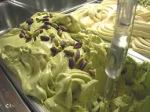 Pistachio of Bronte
Sicily is proud of its long gelato tradition. The principal ingredient is the pistachio of Bronte, followed by candied fruit and ricotta cheese, primary players in cassata (a Sicilian cake) and cannoli. It is a triumph of colors and sweetness. A cult pasticceria is Caffè Sicilia di Noto. Another destination , although less well known, is Randazzo, where the Pasticceria Santo Musumeci invented the Pirandello flavor with almonds, lemon zest, and almond brittle. It’s not possible to get more Sicilian than this.
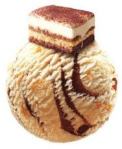 Tiramisù
Treviso boasts of being the birthplace of tiramisu. It seems to have been “baptized” at the end of the 70s in the restaurant, Alle Beccherie. But other areas of Italy vie for the origins of this dessert. What is certain is that some time ago it left the borders of the Veneto, and became transformed into a classic. Another cult of Treviso is Prosecco. If you want to make a toast with a cone instead of a stemmed glass, go to Il Gelateria di Sant’Agostino.
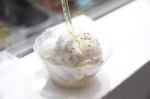 Cheese and Pepper
These are strong flavors from Rome-area cuisine—but they also are simplicity itself in a dish of vermicelli seasoned with pecorino cheese and black pepper. The cheese and pepper gelato is an oddity and experimentation in Rome at Otaleg. Cheese and pepper passed with flying colors also in Labico, where the cult address is Greed.
 Saffron and Panettone
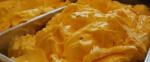
What is more Milanese than a saffron risotto? Or, at Christmas, a slice of panettone? These are typically winter flavors, but can be transformed into gelato to taste throughout the year. Saffron and panettone are found at Artico and at Gelato Giusto, two of the best destinations in Milan. Also in Lombardy, between panettone and fior di latte,there is an historical address: the gelateria Pasqualina celebrates 102 years and is still growing.
 Quando leggo i giornali e altre pubblicazioni italiane, evito diligentemente articoli sulla politica italiana. È troppo confusa…lo stesso con il calcio italiano. Nel giugno 2015, il New Yorker ha pubblicato un articolo lungo su Matteo Renzi, il Primo Ministro d’Italia. È molto interessante. Cercherò di distillare alcuni dei punti salienti.

