
Italy is offering for rent, for up to 50 years, 11 lighthouses owned by the state. Thirty nine proposals arrived by the deadline for the renovation and reuse of these historic and scenic beacons along the Italian coast. Proposals came from ordinary citizens, social and environmental groups, and foreign investors. To participate in the competition, the bidder had to present a project to upgrade and enhance the structure. Now part 2 begins: two specially created commissions—one from the State Property Agency and the other from the Ministry of Defense—will evaluate the proposals from both qualitative and economic points of view. Many types of proposals were welcomed from cultural, social, and sporting events, to tourism initiatives; some include dining and accommodations, others recreational and educational activities. Among the lighthouses are:
1. Il Faro di Capo d’Orso a Maiori (Salerno): This lighthouse has a 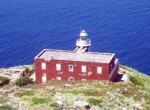 premier location along the Amalfi Coast, on a ridge overlooking the sea. It can be accessed through a path through the Mediterranean brush.
 2. Il Faro di Punta Imperatore a Forio d’Ischia (Naples): This lighthouse stands on the hill that protects the beautiful bay of Citara and is reached by a road that ends in a very steep staircase.
3. Il Faro di Murro di Porco (Sicily): This lighthouse is located in the 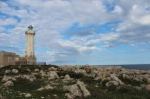 heart of hte Plemmirio peninsula along the cliffs of the south coast of Syracuse, which is characterized by caves with important archaeological remains on the seabed.
 4. Il Faro di Capo Grosso a Favignana (Trapani): This lighthouse is on the island of Levanzo-Favignana west of Sicily. It’s a tower with white facades in a natural oasis with, of course, a splendid view.
5. Il Faro di Brucoli ad Augusta (Syracuse): This lighthouse, which is 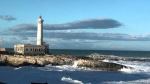 near the ancient castle of Queen Giovanna, is located on the tip of a spit of land that is home to the seaside village of Brucoli, situated between Catania and Siracusa.
 6. Il Faro del Fenaio: There are two lighthouses on the island of Giglio off the coast of Tuscany. (Giglio is the island where the Costa Concordia was shipwrecked.) Il Faro del Fenaio is located on the extreme north of the island overlooking the open sea. It is a lonely place that witnessed many legends and tales of the past.
7. Il Faro Formiche a Grosseto: This lighthouse was constructed in the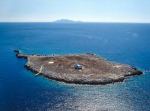 early 20th century and was used by the Navy to illuminate the three islands of the Tuscan archipelago—a distance of about 30 kilometers (less than 20 miles) from Porto Santo Stefano to Monte Argentario.
Other lighthouses include: Il Faro di Punta Cavazzi ad Ustica (Palermo), il Faro di San Domino alle Isole Tremiti (Foggia), and Il Faro Capo Rizzuto (Crotone).
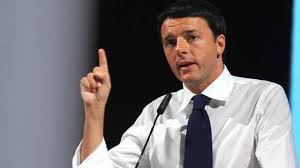 italiano, preme per un posto al tavolo del potere dell’Europa.” L’articolo è stato pubblicato nel gennaio 2016 proprio nel giorno del faccia a faccia a Berlino tra il presidente del Consiglio e la Cancelliera tedesca Angela Merkel. Il quotidiano USA descrive l’evoluzione dei rapporti politici tra l’Italia e l’Ue. L’analisi parte dall’”approccio conflittuale” (in parte a causa della frustrazione) del premier che “ha portato nuove tensioni nell’area” e dal fatto che il segretario dem esiga che “la voce dell’Italia debba essere ascoltata e presa seriamente in considerazione”. “L’improvvisa rivendicazione di Renzi”—afferma il quotidiano statunitense—“lo ha lasciato in sospeso dall’accusa di essere un ostruzionista e di mettersi in mostra per ottenere punti politici in patria”.
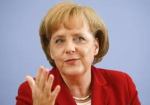 “Io sono il leader di un grande paese,” il signor Renzi ha detto in un intervisto la settimana prima. “Io ho le mie idee”—idee che ha senza dubbio condiviso con la Cancelliera Merkel quando i due leader si sono incontrati. Il leader più potente in Europa sta
  affrontando la più grave crisi della sua carriera dall’afflusso di rifugiati. Il New York Times ricorda le parole del presidente del Consiglio in un quotidiano tedesco: “Se si cerca una strategia complessiva per la soluzione dei profughi, non può bastare se Angela prima chiama Hollande e poi chiama il presidente della Commissione Ue Jean-Claude Juncker, e io apprendo del risultato sulla stampa”. E ancora: “Dopo due anni ad ascoltare, ora parlo io”.

