Greek and Roman Mythology

Greek mythology is the set of stories about the origin of the world, the lives and activities of deities, heroes, and mythological creatures, and the rituals of ancient Greeks.  Roman mythology is the body of traditional stories centered on the ancient origins and religion of the Roman Empire.  Roman mythology was largely influenced by the Greek one; the other relevant source of inspiration for the Romans was the Etruscan religion.  While the stories in Roman mythology were not as extensive as in Greek mythology, they both produced famous images like Romulus and Remus suckling the she-wolf for the Romans and the Trojan Horse for the Greeks.

The Romans were eager to identify their own gods and to reinterpret stories about Greek deities under the names of their Roman counterparts.  Greek gods such as Zeus, Poseidon and Hades were known as Jupiter, Neptune and Pluto in Rome; Athena became Minerva and Aphrodite became Venus.  However, one god kept the same name in both iterations—Apollo, god of light, medicine, music, poetry, archery and justice.   Apollo had many responsibilities.  In his transition to Roman mythology, he focused more on healing and prophecy, rather than light.  However, Apollo’s twin, Artemis, became Diana in Roman myth.

Both sets of mythology come to us from literature, such as Homer’s Iliad and Odyssey and Virgil’s Aeneid, and through the visual arts.  Because Latin literature was more widely known in Europe throughout the Middle Ages and into the Renaissance, the interpretation of Greek myths by the Romans often had a greater influence on narrative and pictorial representations of “classical mythology” than Greek sources.   In fact, the versions of Greek myths in Ovid’s Metamorphoses, written during the reign of Augustus, came to be regarded as canonical.  The Roman myths were used extensively by many artists from the late Renaissance through Romanticism, to Neoclassicism.

Greek and Roman mythology have had a lasting impact on our culture in other ways—in the naming of our planets, stars, months of the year, and days of the week.  In the Milky Way Galaxy, most of the planets are named after Roman deities:  Mercury, Venus, Mars, Jupiter, Saturn, Uranus, Neptune, and even Pluto (which is no longer considered a planet).  Only Earth does not have a name based on Roman mythology.  The names of constellations, on the other hand, are based on Greek mythological creatures and animals, such as Taurus, Orsa Major and Minor, Orion’s Belt, the Pleiades (Seven Sisters) and Pegasus.

For months of the year, there are several origins both in Italian and English.  Gennaio (January) is named after the Roman god Janus who had two faces so that he could see the future and the past.  Febbraio (February) is named after the Roman festival of purification.  Marzo (March) is named after Mars, the Roman god of war.  Aprile (April) takes its name from the Latin word aperire, which means ‘to open’ like flowers in the spring.  Maggio (May) is named after the Greek goddess Maia, and giugno (June) is named after the Roman goddess Juno.  Luglio (July) and agosto (August) were named after Julius Caesar and Rome’s first emperor, Augustus.  And finally, settembre (September), ottobre (October), novembre (November) and dicembre (December) were named after the Roman numbers 7, 8, 9, and 10 as they were originally the seventh, eighth, ninth and tenth months of the Roman year, which originally began in March.  After a calendar reform, January and February were added.

For days of the week, the Italian origins primarily lie with the Romans, who named their days of the week after the planets, which in turn were named after the Roman gods.  In Italian, lunedì is the day moon, martedì is the day of Mars, mercoledì is the day of Mercury, giovedì is the day of Jupiter, venerdì is the day of Venus, and sabato is the day of Saturn.  In English, Saturday, Sunday and Monday are named for Saturn, the sun and the moon, respectively, following the Latin.  The other four days are named for other gods that the Anglo-Saxons probably worshipped before they migrated to England. 

Posted in Animali, Arte, Differenze culturali, English, Foto, Italia, La Lingua, Musica, Roma, Storia | 1 Comment

Carenza di pasta

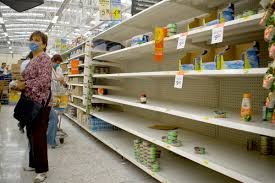
All’inizio della pandemia, le carenze alimentari o di altri prodotti sembravano sorprendenti. Dopotutto, non avevamo mai sentito dire che le fabbriche di pasta, di carta igienica o di pomodori in scatola avevano chiuso o che c’erano state interruzioni nella filiera. Ma con il 2020, gli scaffali vuoti dei supermercati hanno rivelato quali merci i consumatori apprezzano di più per la sicurezza e il comfort che ne ricevono.  Ecco quindi come la “nuova normalità” ha cambiato le abitudini alimentari e quanto velocemente i produttori hanno risposto al cambiamento delle richieste.

Persino i consumatori che non sono accaparratori o non complottisti hanno cambiato le loro abitudini di acquisto. Dopotutto non sempre in tempi di pandemia si può sapere quando si può andare in un negozio, quindi una scatola in più di pasta nel carrello non farebbe del male a nessuno.  Perché proprio la pasta?  È poco costosa, facile da preparare, ha una lunga durata ed è il massimo “comfort food” in tempi incerti. Moltiplicando una scatola per famiglia a settimana per un intero paese, i supermercati sono stati costretti a limitare le vendite (“solo una per cliente”), perché faticavano a rifornire gli scaffali. Oltre alla pasta, gli articoli molto richiesti durante la pandemia sono i prodotti in scatola, le biciclette o parti di biciclette, i prodotti da forno, come farina e lievito, i prodotti per la pulizia, asciugamani di carta e disinfettante per le mani

Il problema è aggravato per diversi prodotti di uso commerciale e consumer. Per quel che riguardo il cibo, circa un quarto del consumo, che avveniva nei ristoranti prima della pandemia, si è spostato sugli acquisti nei supermercati.  Così i ristoranti, chiusi o aperti con restrizioni, si sono ritrovati con i magazzini pieni. Alcuni di loro hanno quindi offerto un rotolo di carta igienica gratuito per ogni ordine da asporto. Perchè no? Senza pranzi al coperto, i ristoranti non usano la carta. Ciò si è rivelato molto attraente per i consumatori e una creativa mossa di marketing.

I cambiamenti della domanda e dell’offerta hanno portato a un altro problema, quello degli imballaggi. La chiusura di luoghi pubblici, come stadi e ristoranti ha fatto diminuire la domanda di imballaggi sfusi per cibo e altri prodotti. Per l’uso domestico, i consumatori hanno bisogno degli stessi prodotti in grandi quantità, ma in piccole confezioni. I produttori dovuto ridurre la produzione di imballaggi di grandi dimensioni e velocizzare la produzione imballaggi più piccoli. Questo non è stato facile per quei produttori che hanno dovuto acquistare apparecchiature nuove di zecca o aggiornare unità più vecchie a un costo elevato. La produzione alimentare può soddisfare la domanda, se la produzione di imballaggi va di pari passo: scatole di cartone, lattine, bottiglie e contenitori di plastica, tappi, ugelli e pompe di erogazione. Tutto questo influirà nelle proiezioni di mercato per il 2021 e oltre.

Torniamo alla pasta. Non solo alcuni scaffali dei supermercati erano quasi sprovvisti di questo amato prodotto, ma alcuni tipi di pasta erano a malapena disponibili in tutta l’America. Prendiamo ad esempio i bucatini, la pasta lunga con il buco al centro. Un giornalista di New York, che adora questo tipo di pasta, ha indagato sul perché di questa carenza, sia per la Barilla, che per la De Cecco. Durante questo periodo di carenza, i pastifici italiani e statunitensi hanno prodotto per prima la pasta più richiesta: spaghetti e penne in America. A questo, per la produzione di bucatini si aggiunga la maggiore complessità di produzione, perché sono bucati. Quindi è uno dei formati di pasta che ha maggiori probabilità di soffrire durante una carenza. E questo, nonostante sia nata una “mania dei bucatini”, dovuta ai contributi caritatevoli di Amatrice (città del Lazio colpita da terremoto qualche anno fa), e anche alla popolarità odierna dei bucatini usati al posto delle cannucce di plastica per proteggere l’ambiente.

Aggiungete a questo un piccolo “singhiozzo” della FDA (la US Federal Drug Administration). Molti anni fa, il governo federale ha imposto che la pasta fosse prodotta con “farine arricchite”, cioè con livelli minimi e massimi di determinate vitamine e sostanze nutritive. La FDA ha rilevato che i livelli di ferro dei bucatini di De Cecco erano più bassi … di 2,1 milligrammi, che è un quattordicesimo di un millesimo di oncia. Apparentemente, la FDA non controlla regolarmente i livelli di ferro della pasta. Quindi è possibile che un’azienda di concorrenza abbia ceduto questi dati. Ma non entriamo nelle teorie del complotto. Speriamo che la FDA si concentri sulle questioni odierne più grandi di oggi e permetta agli amanti della pasta di trovare quella che più preferiscono.

 
Posted in Cucina italiana, Foto, Italia, Italiano, New York, Uncategorized | 3 Comments

The Pasta Shortage

At first, pandemic shortages seem surprising.  After all, we had not heard that factories making pasta or toilet paper or canned tomatoes had shut down or that there were any interruptions in the supply chain.  But as 2020 unfolded, empty supermarket shelves revealed which commodities consumers prized for their safety and comfort, how the “new normal” changed eating habits, and how quickly manufacturers responded to changing demand.  

Even consumers who are not hoarders or don’t subscribe to conspiracy theories changed their buying habits.  They didn’t always know when they would be able to get to the store, so just one more box of pasta couldn’t hurt.  After all, pasta is inexpensive, easy to prepare, has a long shelf life and is the ultimate “comfort food” in uncertain times.  Multiply one box per family per week by an entire country and supermarkets were forced to limit sales (“only one per customer”) as they struggled to replenish their shelves.  Besides pasta, high demand items during the pandemic include canned goods, bicycles and bike parts, baking supplies like flour and yeast, cleaning supplies, paper towels, and hand sanitizer.

The problem is compounded by different supply chains for consumer and commercial use.  For food supplies, about one-fourth of consumption used to be in restaurants.  That consumption has shifted to supermarket purchases, and that supply chain is finding it difficult to meet demand.  But with restaurants closed or restricted, their warehouses are full.  Hence, some restaurants have offered a free roll of toilet paper for every takeout order.  Why not?  Without indoor dining, the restaurants aren’t using the paper.  It proved to capture consumer attention and be a creative marketing move.

The changes in supply and demand led to another problem—packaging challenges.  Closure of public venues like stadiums and restaurants depressed demand for the bulk packaging of food and other products.  For home use, consumers needed the same products in great quantity but in small packaging forms.  Manufacturers had to decrease the production line for bulk-size packaging and run those devoted to smaller packaging at much higher speeds…if they could.  This isn’t easy for some manufacturers who might have to buy brand-new equipment or retrofit older units at a high cost.  Even if the food manufacturers can meet demand, it goes hand-in-hand with the packaging manufacturers who produce the cardboard boxes, cans, bottles and plastic containers—not to mention the caps, nozzles, and dispensing pumps.  And all of this depends on market projections for 2021 and beyond. 

Let’s get back to pasta.  Not only were some supermarket shelves almost depleted of this beloved product, but some types of pasta were barely available throughout America.  Let’s take bucatini, the long pasta with the hole down the middle.  A journalist in New York who lives and dies by this pasta, which apparently absorbs more than 200% more sauce than its hole-free brethren, investigated this shortage with both Barilla and De Cecco.  During a shortage, pasta manufacturers in Italy and the United States first make pasta with the most demand— spaghetti and penne in America.  Add to this the complexity of making bucatini.  Because of the hole in the middle, the production is much more complicated.  So it is one of the shapes more likely to suffer during a shortage.  And this, despite, a “bucatini craze” due to both the charitable contributions to Amatriciana, the city in the Lazio region rocked by an earthquake a few years ago, and the popularity these days of bucatini used in place of plastic straws to protect the environment.

Add to this a little “hiccup” with the FDA (the U.S. Federal Drug Administration).    Many years ago, the federal government mandated that pasta be made with “enriched flours,” that is, with minimum and maximum levels of certain vitamins and nutrients.  The FDA found De Cecco’s bucatini iron levels lacking…by 2.1 milligrams, which is one fourteenth of one one thousandth of an ounce.  Apparently, the FDA doesn’t routinely check the iron levels of pasta.  So it’s possible that a competitor became a whistleblower.  But let’s not go into conspiracy theories.  Let’s hope that the FDA will focus on the bigger issues of today and will let the pasta lovers find their favorite pasta shapes.

Posted in Cucina italiana, English, Foto, Italia, New York, Uncategorized | Leave a comment