Quest’anno, il gioco da tavolo Monòpoli compie 80 anni in Italia. Il gioco era stato sviluppato in America nel 1934 durante la depressione. Oggi, il gioco da tavolo originale è  prodotto in 40 lingue, diffuso in 106 paesi, con oltre 275 milioni di scatole vendute.
Come un promemoria, il tavolo del gioco ha 40 spazi che contengono 28 proprietà immobiliari—22 strade, 4 stazioni ferroviarie, e 2 servizi pubblici; 3 spazi di probabilità, e 3 d’imprevisti; uno spazio per la tassa lusso, un spazio per l’imposta sul reddito; e 4 quadrati agli angoli: VIA!, posteggio gratuito, prigione, e in prigione! Lo scopo è di acquistare più proprietà possibli e a far fallire gli altri giocatori.
Il gioco diventò così popolare che l‘azienda Parker Brothers diede le licenze ad altri paesi per produrre lei loro proprie versioni usando i nomi delle loro città e strade.
L’Italia fascista anche volle una versione, malgrado il capitalismo manifesto del gioco. L’editore italiano, Emilio Cerreti di Milano, nel 1935, sfidò la Parker Brothers e le loro patenti, e disegnò una intelligentissima versione italiana del gioco. La ditta italiana registrò il nome “Monòpoli” in Italia e ilgoverno di Mussolini approvò il gioco e lo mise in vendita (ma senza”y” nel nome). Il maggior numero dei nomi nei quadratini usati erano a Milano e Bologna, ma Cerreti creò 3 proprietà immaginarie, includendo Via Fascia e Corso Imperio per placare il regime. Sebbene l’Italia soffrisse sotto il dominio del Duce, ironicamente, la gente poteva giocare il gioco immobiliare americano e celebrare i vincenti come facevano gli americani.
 Nel frattempo hanno pubblicato varie versioni del gioco, come
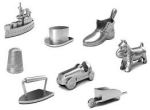
 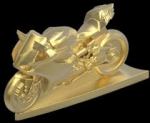 Monopoly World, Monopoly Junior (per i bambini), Monopoly Banking (con carte di credito), Monopoly SpongeBob SquarePants, Monopoly con caratteri Braille, ecc. Le pedine sono anche cambiate nel tempo—da ditali a cappelli a cilindro. Per l’Italia…le moto Ducati!
Il passatempo celebre è stato venduto in Italia dal 1935 e per più di 70 anni dalla casa Editrice Giochi fino all’estate del 2009 quando anche la distribuzione italiana è passata alla Hasbro, la multinazionale Usa in possesso dei diritti mondiali del gioco. Poi, nel 2011, per onorare i 150 anni dell’unità italiana, un edizione di anniversario è stata pubblicata in base alla votazioni online per le città che sarebbero rappresentate. I risultati erano sorprendenti. Le città più grandi, come Roma, Bologna, Venezia, e Firenze non sono riuscite a entrar nell’elenco. Solo una città toscana, Viareggio, è una delle 22 città italiane rappresentata nel gioco. L maggior parte delle città sono capitali di provincie, non città maggiori. Solo Milano e Torino hanno vinto i posti sull’edizione nazionale.
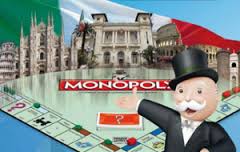 Per celebrare il processo di votazione, che è statp molto popolare tra gli italiani, Monopoly Italia ha deciso di fare un giro nel Paese. Si è fermato nelle 22 città che appaiono sul tavolo iconico del gioco. Due altre icone italiane hanno viaggiato con il giro: una
 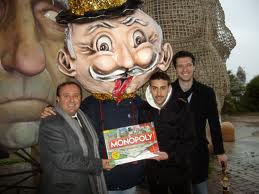 Fiat 500 e una Vespa. Il giro è iniziato a Messina ed è arrivato in Toscana. A Viareggio, è stato dato una maschera di cartapesta del Signor Monopoly, che era stato fatto da un artigiano locale.
Adesso, per una nuova edizione di anniversario, un gruppo di legislatori italiani hanno scritto alla dita americana per fare una protesta per scherzosa. Hanno ascoltato alcune dicerie che la nuova edizione italiana non avrebbe avuto una prigione—forse perchè Hasbro si è reso conto che Silvio Berlusconi è sempre stato capace di evitare il carcere.00…000



 Depression. The original board game is now sold in 40 languages and 106 countries around the world. As a reminder, the game board consists of 40 spaces containing 28 properties (22 colored streets, 4 railway stations, and 2 utilities) three Chance spaces, three Community Chest spaces, a Luxury Tax space, an Income Tax space, and the four corner squares: GO, Free Parking, Go to Jail, and In Jail / Just Visiting. It became so popular that Parker Brothers granted licenses to other countries to produce their own versions using national and local town and street names.

