Prima era la“amatriciana-gate” dopo uno chef celebre ha osato mettere l’aglio nella pasta adorata dagli abitanti di Amatrice (vedete il mio post precedente). Poi un altro famoso chef italiano ha commesso un delitto quando ha messo del burro nella pasta al pesto. Adesso, una diversa lotta con il cibo.
Il fish and chips, ovvero pesce e patatine, è uno dei piatti più gustosi e conosciuti della  gastronomia anglosassone. Giusto? Certo. Ma qual è la loro origine? “Sono stati portati nel Regno Unito dagli immigranti veneti,” secondo la teoria raccontata agli alunni delle scuole romane.
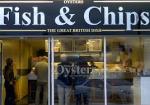
Gli inglesi non ci stanno. Il titolo sul giornale, “Il Telegraph:” L’Italia rivendica l’invenzione del fish and chips! Gli inglesi sono stati offesi (o come la regina Vittoria direbbe, “non ci divertiamo”). Sarebbe come dire che la pasta al pomodoro non è italiana. Il fish and chips, cioè il pesce immerso in una pastella molto densa e successivamente fritto, con le patate fritte tagliate a bastoncino, è da sempre considerato il piatto tipico degli inglesi.
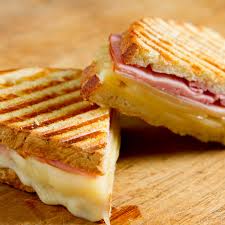
 Tutto parte dal “menu europeo” introdotto nelle mense scolastiche della capitale. Ai 145.000 alluni delle materne, delle elementari e delle medie vengono infatti serviti 15 menù ispirati ad altrettanti Paesi europei. Tra questi: croque monsieur (Francia), fish and
 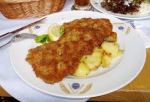 chips (Regno Unito), gulasch (Ungheria), paella valenciana (Spagna), Wiener Schnitzel (Austria). La scopo era promuovere la multiculturalità gastronomica ed infondere nei bambini un senso di appartenenza all’Unione Europea. Tuttavia, in una descrizione del fish and chips consegnata ai bimbi, viene sostenuto che il piatto può aver avuto origine in Italia. A riprova viene citato Charles Dickens e il suo romanzo Oliver Twist sostenendo che gli immigranti veneti potrebbero aver portato nelle isole britanniche la classica combinazione di pesce fritto e patatine.
 Andrew Crook, tesoriere del National Federation of Fish Friers, l’associazione che riunisce oltre 8600 friggitorie disseminate nel
  Regno Unito, spiegò di non aver “mai sentito parlare di italiani che avevano portato il fish and chips qui da noi.” Ufficialmente, l’immigranto ebreo Joseph Malin è considerato il fondatore del primo negozio di Fish ‘n’ Chips nell East End di Londra nel 1860.
Sebbene il fish and chips sia stato tra i piatti più popolari tra gli alunni romani, il progetto del menù europeo pare non abbia riscosso molto successo. Anzi. È stato attaccato da molte mamme che senza troppi giri di parole l’hanno definito “cibo spazzatura.” Sono state raccolte firme ed è stata avviata una petizione online per chiedere l’immediato ritiro di questi cibi “grassi, precotti e prefritti,” e la loro sostituzione con “piatti più sani a livello nutrizionale e più vicini alla cucina mediterranea.”
Non mi sorprende. Sembra che non sia tipico per gli italiani di “rivendicare” un piatto come “fish and chips,” a meno che non il pesce sia saltato, le patate si sono arrostite, e il piatto abbia un nome più elegante. Avete qualch suggerimento?