
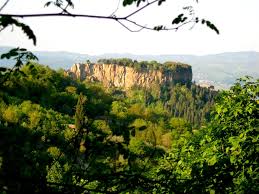
 As we traveled to many of Umbria’s hilltop towns last year, we were struck, of course, by the beauty of the architecture and character of these towns of stone. We were also awestruck by the gorgeous vistas over the green heart of Italy. But as we walked around, there was also an ominous feeling–we rarely saw a soul, and we saw many Vendesi “for sale” signs on the houses and other buildings.
For all the ancient hill towns like Tuscany’s San Gimignano and Montepulciano that attract tourists and are thriving, they are not the typical small town in Italy today. Italy is home to more than 5,600 towns of less than 5,000 inhabitants. About half of them are facing a population crisis. Some are semi-abandoned and others are virtual ghost towns. Over the next 25 years as the youth continue to emigrate and as the elderly begin to pass away, many towns will be left almost completely deserted.

Rocca ripesena
The exodus began in the late nineteenth century as poverty drove many, particularly in the south, to emigrate to other countries. After World War II, the economic decline of rural Italian communities led inhabitants to emigrate to major cities where jobs were more plentiful. A confluence of factors—poverty, urbanization, emigration, and natural disasters, like earthquakes and floods — devastated many towns that had thrived for centuries.
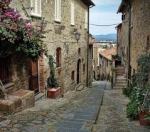 These rural places are inextricably linked to the countryside around them, as their inhabitants worked as farmers and merchants, craftsmen and shepherds. When these towns die, so too do the unique traditions and skills associated with each place. This phenomenon is not unique to Italy. Small towns throughout the developed world, including in the United States, are left behind as technologies and economies change, rendering industries and artigianale know-how obsolete. What is unique to Italy is the exquisite architectural character of its hill towns, as well as the quality of the craftmanship and traditions that were born and perfected there.
Statistics paint a bleak picture. While 30% of the world’s population resided in urban  areas in 1950, the percentage grew to 54% in 2014. It is expected to increase to 66% by 2050. In Italy what will happen to the medieval fortresses, frescoed churches, and charming piazzas of the hilltop towns, not to mention the making of original musical instruments, ancient bells, wool blankets and scarves, and the best pasta of every region?
Next time, I will tell you what some creative people are doing to try to save these towns.
 Primo di tutto, le fettuccine Alfredo non sono un piatto italiano, anche se sono state “inventate” a Roma. Sono piene di burro, panna e parmigiano, e gli italiani non usano quasi mai la panna sulla pasta. A Roma, la città della pasta alla carbonara, questa ricetta non ha una goccia di panna. (Vedete “Il cibo ‘italiano’ che non è italiano”, un post dal 13 ottobre 2016.)
 La storia racconta che le origini del piatto risalgono al 1908. Ines, la moglie di Alfredo Di Lelio, proprietario e cuoco di un piccolo ristorante nella piazza Rosa di Roma, aveva appena partorito il
 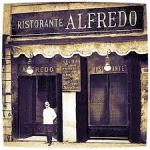 piccolo Alfredo, ma lei era debole e non aveva appetito. Il marito preparò una pasta fresca e la condì con abbondante burro e parmigiano. Le piaceva, ne mangiava ogni giorno e tornava in buona salute. Lei poi gli chiese di inserire il piatto nel menù del ristorante, che si trasferì in quartieri più grandi in via della Scrofa a Roma nel 1914.
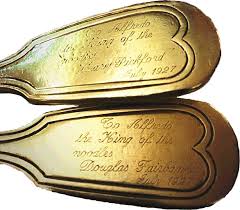 Mary Pickford vennero a Roma in luna di miele. Si innamorarono di questo piatto così ricco. Quando tornarono a casa e lo descrissero ai loro amici, tutta Hollywood non vedeva l’ora di assaggiarlo. Fairbanks e Pickford spedirono ad Alfredo e Ines una foto di se stessi al ristorante e due posate di servizio placcate d’oro con l’incisione “Ad Alfredo, re dei noodles” ed i loro nomi. Il ristorante di via della Scrofa divenne la meta dell’élite di Hollywood e dei Vip internazionale, mentre sempre più foto si accumulavano sui muri.
 Poi nel 1948, Di Lelio vendette il suo ristorante—e tutto quanto conteneva—alla famiglia Mozzetti, che mantenne il nome e il menù e tutte le foto sul muro. La famiglia lo gestisce ancora. Ma nel 1950 Alfredo e suo figlio aprirono un altro ristorante, Il Vero Alfredo, che oggi è gestito dai nipoti. Ora entrambi i ristoranti affermano di essere i creatori del piatto, ed entrambi hanno un set di posate placcate in oro da Fairbanks e Pickford! Ma non era il piatto stato inventato nel piccolo ristorante di piazza Rosa?
 La rivalità amichevole è continuata nel corso degli anni, anche durante il Festival delle Fettuccine Alfredo, che è stato celebrato ogni febbraio. L’ironia è che troverai la salsa Alfredo solo in questi due ristoranti in competizione tra loro, dove le fettuccine si mescolano al tavolo con la famosa forchetta e cucchiaio d’oro. I cantanti suonano serenate ai clienti. Sembra una trappola perfetta per turisti.
 L'Olivo Santa Barbara