
 We all know now that spaghetti with meatballs is not an Italian dish. Spaghetti is Italian and meatballs are Italian. But spaghetti with enormous meatballs is an Italian-American dish, which is a different cuisine.
The 7.5 million Italians who emigrated to America between 1876 and the first world war were, in general, poor and hungry. In Italy, they survived thanks to food like polenta and brined black bread. Meat, cheese, and even pasta were consumed only in more bountiful times and on special occasions. In the United States, however, the immigrants tended to earn more money and therefore could afford richer foods. But it was difficult to find certain products, like olive oil, and they had to had to modify their recipes and create new ones.
There was another important factor. Italian food, even today, is very regional. At the turn of the century, the Italians in the United States, who came from diverse regions in Italy, ate and cooked together in neighborhoods like “Little Italy.” They exchanged recipes, using products that they could find, and became creative…and a new cuisine was born. Most of the new recipes were based on traditions of Southern Italy, where most of the immigrants came from.
Here are 15 Italian-American dishes that you will not find in Italy (except in tourist places that cater to the American palate). These dishes have never seen the light of day in Italy, the land that inspired them.
- Spaghetti with meatballs: I have already discussed this one here and in previous posts.

- Garlic bread: First, Italian dishes don’t have much garlic (the same for onions). And, then, in the country of olive oil, it is considered very strange to put butter on bread. It is believed that garlic bread was invented in the states in the ‘40s.
- Fettucine Alfredo: This dish was created in 1920 in a restaurant in Rome by the
 chef, Alfredo, for American clients. But there is nothing in this dish that Italians like. To put cream on pasta is almost never done. In Rome, the city of pasta alla carbonara, the recipe does not have a drop of cream. And, once again, there is the problem of butter.
 - Pepperoni pizza: In Italy, the classic pizza is the margherita, but other pizzas have
 many different toppings like anchovy, sausage, potatoes, mushrooms, and even peppers…but not pepperoni. Perhaps this salami was inspired by the spicy salami of southern Italy—for example, the soppressata from Calabria.
 - Chicken on pasta: Italians say, “how disgusting.” Pasta is a first course; chicken is a second. End of story
- “Italian” salad dressing: With too much vinegar and many herbs, “Italian dressing” is the salad dressing preferred in many American restaurants. It doesn’t exist in Italy. There, salads have olive oil and vinegar, o olive oil and lemon (in the south), or simply, olive oil.

- Cioppino: Italians like fish on pasta. Among the most delectable dishes are those from Sicily where they use local, fresh fish, like swordfish and sardines. Cioppino was invented by Italian-American fishermen in San Francisco. It is more like a soup and is generally not served with pasta.

- Chicken or veal parmesan: You will not see these dishes in restaurants that Italians frequent. Like putting chicken on pasta, the idea of putting cheese on meat makes Italians a little sick. Instead, try eggplant parmesan.
- Lobster fra diavolo: This dish, which is rich and spicy, was
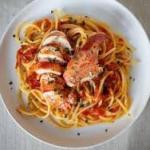 probably served for the first time in New York, or perhaps on Long Island, at the beginning of the 20th A pasta with a heavy tomato sauce, chile flakes, and seafood, is not Italian cuisine. The dish depends on American lobster, which is almost impossible to find in Italy.
 - Marinara sauce: Marinara sauce does exist in Italy, but is usually prepared with seafood or olives or both. In the United States, “marinara” refers to a simple tomato sauce, which is common in Italian-American cooking and which is poured on everything, from pasta to meat.
- Penne alla vodka: It is difficult to understand how or when or where this dish
 originated. Obviously, vodka is not a traditional alcoholic drink in Italy. And, again, a pasta with cream (together with tomatoes, onions, and the vodka) is difficult to find in the old country. Vodka doesn’t have much taste. It’s better to try grappa or limoncello…after the meal.
 - Shrimp scampi: In this dish, large shrimps are sautéed with
 garlic, wine, butter, herbs, and chile flakes, and then served on pasta or rice. It is a staple in Italian-American restaurants and probably a descendent of an Italian recipe that uses langostini that are sautéed wine, olive oil, some onion, and some garlic. Langostini are a a type of tiny lobster that are called “scampi” in Italian. Italian-American cooks adapted the recipe but saved the old name.
 - Sunday gravy: In Italian-American communities, to eat a red sauce—or gravy—together with different meats and sausage is a sacred Sunday tradition. The recipe comes from a Neapolitan ragù. But you will not find “Sunday gravy” in Naples…or anything else with the word “gravy.”
- For the kids: Mozzarella sticks come directly from “Little Italy.” The only place in
 Italy that you can find this is at McDonald’s. “Mac ‘n cheese” is usually made with cheddar in the United States (although there are many variations). In Italy there is pasta with cheeses, but not with cheddar. There are sandwiches in Italy with sliced meats. But in America, we make the “Italian” hero sandwich on which meats, cheeses, pickles, and vegies are piled on. In Italy, the meat likes to be eaten alone.
 - Desserts: Rainbow cookies were popular in “Little Italy” and during events like the
 Festival of San Gennaro…but not in Italy. They were invented in New York by immigrants who produced them to invoke the flag of the mother country. In the same way, cheesecake is not found on menus in Italy. Sweet mixtures of ricotto cheese fill sfogliatelle, cannoli, and other sweets, especially in Naples and Sicily, but they are not as sweet and heavy as cheesecake.
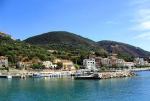 circa 7 chilometri da Palinuro. Descritta come “il tipico paesino costiero dell’Italia meridionale, con vicoli stretti e case color pastello”, il centro storico si trova su una collina e scende fino al mare. Qui incontri persone anziane con i loro cappelli in testa che giocano a carte o semplicemente contemplano il mondo che passa”.
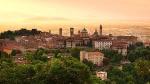 I turisti che visitano l’Italia settentrionale si fermano sicuramente a Milano, a Venezia e nella zona dei laghi, ma dimenticano di visitare la bellissima Bergamo, definita come la più bella città collinare della Lombardia. È una metà affascinante, circondata da alte mura e con stradine tortuose. La zona circostante è così romantica e sembra fatta apposta per una breve vacanza primaverile.
 Comune di quasi 6.000 anime in provincia di Pesaro e Urbino, Gabicce Mare è una deliziosa eccezione rispetto ai territori turistici sull’Adriatico, il parco-giochi delle famiglie italiane in vacanza. I villeggianti più intrepidi possono scovare remote spiagge oltre la zona dove imperversano gli ombrelloni e preziose insenature nelle vicine frazioni di Fioenzuola di Focara e Casteldimezzo.
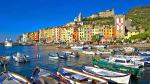 quest’anno si è ipotizzato di ospitare un numero massimo di turisti. Eppure Portovenere, bellissimo paesino costiere ligure, poco distante dalle Cinque Terre e idealmente sesto villaggio del celebre luogo turistico, è praticamente sconosciuta agli stranieri.
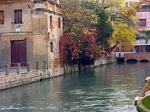 Treviso si trova a poco più di 35 chilmetri da Venezia e il suo centro è una piccolo città circondata da mura, con porte medievali, strade strette e acciottolate. Chi si fermerà nella città veneta non si pentirà della sosta.
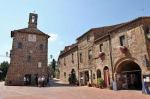 centro etrusco, borgo medievale e rinascimentale. È poco più di una sola strada, ma vanta ottimi hotel e ristorante, un antica chiesa parrocchiale, e altri splendidi edifice medievali.
 È il meno famoso degli splendidi laghi che bagnano l’Italia settentrionale, tuttavia è molto apprezzato dagli escursionisti e ospita Monte Isola, la più grande isola lacustre d’Europa. Il Lago d’Iseo è più piccolo del Lago di Como, ma notevolmente più silenzioso e più affascinante. Ha un minor numero di turisti ed è situato a nord della città di Brescia e Bergamo. È la gemma ignorata del nord Italia.
 invece, anche gli stranieri si sono inoltrati nella “California d’Italia” che può vantare un mare cristallino e spettacolare. Porto Selvaggio, a poche chilometri a ovest dalla città di Nardò, è un’incantevole enclave costiera incontaminata che gode dello status di area protetta dal 1980.
 L’Abruzzo è una regione tutta da scoprire. Coniuga un ottimo mare e splendidi monti e parchi naturali dove vagano orsi e lupi. Sulmona è una città che diede i natali al poeta latino Ovidio e che sembra riportarci negli anni ’50 e i Monti della Laga sono un gruppo di picchi vicino al confine dell’Umbria, spesso sconosciuto anche alla maggior parte degli italiani.
 stipate nei suoi celebri Sassi. Questi ultimi negli anni ’60 sono stati praticamente abbandonati dai cittadini e solo recentemente, grazie al turismo e allo sviluppo, circa 2.000 persone sono tornati a vivere nei Sassi. i nuovi caffè, le gallerie, i ristoranti e, soprattutto, gli alberghi, hanno provocato la rinascita delle fortune di Matera.
 Molti turistici che invadono la costiera amalfitana, visitano Amalfi e Positano, ma dimenticano di ammirare Ravello, un nido d’aquila al di sopra del paesaggio vertiginoso della costa, la località più tranquilla e incantevole della costiera, che in passato ha ospitato personaggi del calibro di Greta Garbo, Jacqueline Kennedy e Tennessee Williams.
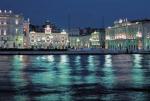 visitano l’Italia. Eppure questa splendida città di mare può vantare i più bei caffè del Belpaese ed è la sede di un glorioso miscuglio di influenze architettoniche ed etniche. I triestini abbracciano la vita con una passione che è palpabile e contagiosa.
 Il Gargano è un parco nazionale, con lunghe spiagge sabbiose, grandi foreste di pini e una posizione geografica che tempera la calura estiva con le brezze che soffiano dal mare su tre lati. Il territorio è ancora poco conosciuto al di fuori dell’Italia.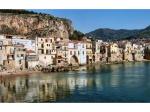
 Gli stranieri visitano il Piemonte solo per le sue splendide stazioni sciistiche. Eppure questa è una regione che può pretendere di essere il più bel centro gastronomico d’Italia, il luogo di nascita del movimento Slow Food, con le sue splendide colline delle Langhe.
 bizantini; è purtroppo fuori dai sentieri più battuti dai turisti. In estate Ravenna si anima con concerti, bancarelle alimentari, fuochi d’artificio e spettacoli di suoni e di luci.
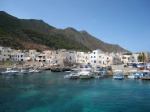 Questa piccola isola dell’arcipelago delle isole Egadi, in Sicilia, è un autentico gioiello che i suoi residenti custodiscono con grande gelosia. In genere, non vogliano né visitatori né turistici. Al largo della costa occidentale della Sicilia è un posto per clienti abituali, che soggiornano per un lungo periodo e non per vacanzieri mordi e fuggi.
 scavi di Ercolano e Oplontis, a pochi chilometri dalla città campana, sono perfettamente conservati, ma non attirano lo stesso numero di appassionati. Eppure chi realmente vuole godere di uno scorcio della vita romana antica in relative pace e tranquillità e senza spintoni, dovrebbe programmare una visita a in questi due siti poco noti ai piedi del Vesuvio.
 Genova è stata una delle città più importanti del Rinascimento italiano, è ricca di tesori antichi e ha un magnifico porto rivitalizzato negli ultimi anni (vedete il post su Renzo Piano). Eppure anche essa è fuori dai circuiti turistici internazionali.

