
 Ogni anno, a fine settembre, in alcune piazze e vie del centro storico di Bronte si svolge la Sagra del Pistacchio. Bronte è uno dei tre paesi in provincia di Catania in Sicilia alle pendici occidentali dell’Etna dove crescono i pistacchi più premiati al mondo.
Il pistacchio di Bronte DOP (Designazione di Origine Protetta di Europa) è famoso fin dall’antichità per il sapore dolce e delicato, il profumo aromatico, e per il suo intenso colore verde. Bronte e i due paesi limitrofi (Adrano e Biancavilla) producono solo circa  l’1% della produzione mondiale di pistacchi, che in commercio è stato spacciato illegalmente come originario di Bronte. In realtà, questi noccioli provengono da altri Paesi, soprattutto dall’Iran e dalla Grecia. Mentre l’80% della produzione siciliana viene esportata, il resto viene utilizzato in molti prodotti nazionali, che vanno dalla salsiccia alla pasta, dalle torte ai torroni, dai formaggi ai biscotti. Il gelato al pistacchio brontese è uno dei più apprezzato al mondo.
La storia del raccolto è molto legato alla cultura e alle tradizioni dell’area, che vengono tramandate da padre a figlio, dalla madre a figlia, per secoli. È anche la storia della terra che sopravvive al vulcano e approfitta della sua fertilità, e del tempo sempre imprevedibile.
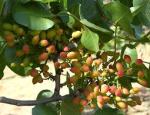 La raccolta avviene ogni due anni per preservare la qualità del frutto e per evitare l’eccessivo sfruttamento della pianta già sottoposta a diversi stress tra cui i frequenti periodi di siccità delle estati siciliane. Negli anni alternativi, gli alberi sono tagliati rimuovendo “gli occhi,” cioè i germogli dei rami. Ciò garantisce una qualità costante della produzione l’anno successivo.
Prima dell’avvento delle macchine, tutto veniva fatto a mano, e anche ora, ci sono poche macchine utilizzate nel raccolto. Gli alberi crescono vicini l’uno all’altro aggrappati alla roccia ignea sulla terra che i macchinari a malapena penetrare. Forbici ed accetta vengono utilizzati per rimuovere i rami secchi che non producono più frutta; questi rami devono essere bruciati subito per evitare di venire attaccati da un parassita che può minacciare l’intera coltivazione. Per facilitare la raccolta e ridurre al minimo la perdita di frutta, vengono stesi dei teloni neri sotto gli alberi. I lavoratori indossano guanti per proteggersi dalle macchie della resina. Per i grappoli più alti viene utilizzata la cosiddetta ferra, un bastone che viene ricavato da una pianta selvatica di finocchio. Essendo morbido, è l’unico strumento che può essere usato per percuotere i rami senza rovinarli e, allo stesso tempo, fare cadere a terra i pistacchi maturi.
 Dopo la raccolta quotidiana, i pistacchi vengono caricati in sacchi destinati alla smallatura, che è una macchina semplice che ogni famiglia Brontese ha per rimuovere il mallo che copre il guscio. Poi i pistacchi devono essere immediatamente esposti al sole per promuovere l’essiccazione. Ogni casa di campagna a Bronte è dotata davanti di un terrazzino—non perché alla gente piace sdraiarsi al sole, ma, infatti, per asciugare i pistacchi.
Ogni famiglia Brontese sa anche che il pericolo per i loro raccolti viene dal cielo. In passato, prima che esistessero strumenti per conoscere le condizioni meteo e quando i  ruoli nella raccolta erano basati sul genere, le nonne rimanevano a casa per gestire le operazioni quotidiane (compresa la raccolta e l’essiccazione del pistacchio sulla terrazza). Hanno imparato a interpretare il cielo e le nuvole. Non appena vedevano il brutto tempo che si avvicinava da ovest, chiamavano le donne delle famiglie a raccogliere tutti i pistacchi sui terrazzi prima che la pioggia li bagnasse.
Il raccolto è una lotta perpetua—contro siccità, tempeste, e parassiti—ma quale il piatto in gioco è il reddito di molte famiglie che sul pistacchio basano il proprio sostentamento. Due anni fa, Bronte ha prodotto un raccolto eccezionale, ma quest’anno la grandine è arrivata a metà maggio, nel momento peggiore possibile quando il frutto è ancora piccolo e deve maturare.
 C’è un’altra tradizione radicata nella cultura brontese che ancora oggi, è tramandata dai genitori ai figli. È l’antica credenza popolare secondo la quale mangiare pistacchi farebbe venire la febbre. Era questo, infatti, che i vecchi raccontavano ai bambini per dissuaderli dal mangiare troppi pistacchi durante la raccolta e quindi risparmiarne il più possibile del frutto preciso.
 Every year at the end of September, in the streets and pizzas of centro storico of Bronte, the Fair of the Pistachio is celebrated. Bronte is one of the 3 towns on the western slope of Mount Etna in Sicily where the finest pistachios in the world are grown.
 L'Olivo Santa Barbara