
 I bambini americani studiano a scuola Alexander Graham Bell. In realtà, era Antonio Meucci. Lui fu un interessante e prolifico inventore che, sfortunatamente, ebbe una vita tragica.
Meucci nacque a Firenze nel 1808. Frequentò l’Accademia di Bell’Arti nella città 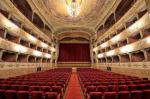 dove studiava anche ingegneria chimica, meccanica ed elettricità in particolare. Poi lavorò al Teatro della Pergola come tecnico di palcoscenico. Un giovane romantico e sognatore, Meucci trovava che la bellezza del teatro fosse molto ispirante. Era qui che incontrò la sua futura moglie, Ester.
Nel 1835, la coppia emigrò a L’Avana, a Cuba, dove Antonio divenne capo ingegnere al Grande Teatro Tacón. A Cuba ricevette il riconoscimento di ricercatore scientifico e sviluppatore di nuove tecnologie. Qui concepì il primo sistema telefonico nel 1849, quando Alexander Graham Bell aveva solo 2 anni.
L’attrattazione verso il “nuovo mondo” indusse la coppia ad emigrare negli Stati Uniti nel 1850. Vissero il resto delle loro vita a Staten Island, a New York, dove Meucci continuò a sviluppare le sue invenzioni, tra cui le candele senza fumo. Ester perse l’uso degli arti a cause dell’artrite e fu confinata un una camera da letto al piano superiore. Meucci sviluppò e installò un sistema teletrofonico, che collegava la camera di Ester alla sua piccola fabbrica, in modo che potesse parlare con lei durante il giorno.
Tra il 1850 e il 1862 Meucci sviluppò più di 30 diversi modelli di trasmissione della parola su corrente elettrica. Continuò a sperimentare, ma aveva bisogna di finanziamenti per fare  dimostrazioni su larga scala delle sue scoperte rivoluzionarie. Il pregiudizio impediva ai finanziatori di New York di sostenerlo, quindi Meucci rivolse le sue speranze all’Italia. Nel 1861 eseguì una dimostrazione a lunga distanza con una famosa cantante lirica italiana a New York, che fu pubblicato nel L’Eco d’Italia, un giornale italiano di New York. Purtroppo, non fu in grado di ricevere gli investimenti necessari dall’Italia, che era in pieno Risorgimento.
Un’altra tragedia seguì. Andò in bancarotta a causa di processi contrari da parte di collezionisti fraudolenti. La sua casa di Staten Island fu messa all’asta; per fortuna, l’acquirente permise alla coppia di continuare a viverci senza affitto. Ma nel 1871 sul traghetto da Manhattan a Staten Island, il motore a vapore esplose quasi uccidendolo. Mentre era in ospedale, sua moglie vendette i suoi modelli di teletrofono per raccogliere soldi per vivere.
Durante il recupero, fondò la compagnia Telettrofono. Ma prima di portare le sue invenzioni sul mercato, avevo bisogno di un brevetto per tutelarsi legalmente. Non poteva permettersi il costo di 250 dollari, quindi ricevette un caveat, cioè una notifica ufficiale che certificava la richiesta ufficiale per un brevetto; poteva essere rinnovato annualmente al costo di 10 dollari. Poi nel 1872 andò alla Western Union Telegraph Company di New York per chiedere il permesso di testare il suo apparecchio telefonico sulle linee telegraphiche dell’azienda. Fornì una descrizione del suo prototipo su una copia del caveat; lui ripetutamente chiese dello stato del prototipo. Due anni dopo fu informato che tutto il suo materiale era andato perso.
Nel 1874 il caveat di Meucci scadde e due anni dopo Alexander Graham Bell, un dipendente della Western Union Laboratories, fu concesso il brevetto per il telefono. Meucci protestò. Ovviamente cause legali seguirono. Meucci si era limitato nel dare prove per dimostrare la sua invenzione del telefono elettromagnetico. I suoi modelli erano stati venduti e poi “persi” alla Western Union. L’articolo nel giornale L’Eco d’Italiaera stato distrutto da un incendio. Il giudice di questo processo, che era un noto sostenitore dell’anti-immigrazione, non credeva al resoconto di Meucci e così perse la causa.
Più di 100 anni dopo la morte di Meucci, il Congresso degli Stati Uniti ha riconosciuto nel 2002 il suo pionieristico lavoro sul telefono; aggiungendo inoltre che “se Meucci fosse stato in grado di pagare la tassa di 10 dollari per mantenere il caveat dopo il 1874, Bell non avrebbe ricevuto il brevetto”.
Oggi a Staten Island si trova il Museo Garibaldi-Meucci nella casa di Antonio Meucci, il vero inventore del telefono. Era amico di Giuseppe Garibaldi, fautore dell’Unità d’Italia. Per oltre 50 anni la missione del museo è stato quella di preservare l’eredità di questi uomini e di promuovere la comprensione del patrimonio Italo-americano attraverso programmi, corsi culturali, artistici ed educativi. L’entrata al museo è per caso di 10 dollari.
 Il carpaccio è un antipasto che frequentemente appaia sui menù italiani, così come sui menù di altre cucine. Tradizionalmente, è carne di manzo cruda tritata molto sottile e condita con olio d’oliva e succo di limone. Nel corso del tempo, il carpaccio si è evoluto fino ad includere carne di vitello, cervo, salmone, tonno e persino anatra, anch’essa tagliata sottilmente e servita a crudo. Le sue salse per il condimento sono varie: capperi e cipolle, tartufo bianco, parmigiano e persino salse a base di maionese.
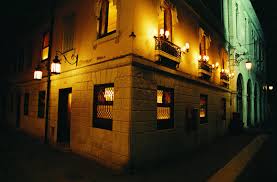 bar di Venezia. Secondo la leggenda, la contessa Amalia Nani Mocenigo, una fedele cliente, una serata disse a Cipriani che i suoi medici le avevano consigliato di non mangiare carne cotta. Quindi, cosa avrebbe potuto preparare per lei? Cipriani tornò in cucina e creò fette sottili di carne cruda condite con olio d’oliva, succo di limone, sale e pepe. Quando gli chiese il nome del piatto, lui pensò rapidamente alla mostra di Venezia che all’epoca era sulle opere del pittore Carpaccio, il cui uso del rosso ricordava a Cipriani il piatto che aveva creato.
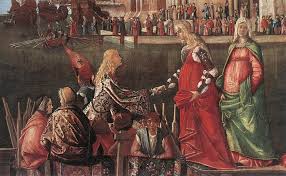 nascita non è certa, ma le opere principali furono realizzate dal 1490 al 1519, inserendosi così tra i primi maestri del rinascimento veneziano. È ben noto per un ciclo di nove dipinti, chiamati La Legenda di Sant’ Ursula. Molti di capolavori di Carpaccio erano murali staccabili su larga scala per le sale delle scuole veneziane, costituite da confraternite caritatevoli e sociali. La gran parte delle sue opere migliori rimangono a Venezia nelle Gallerie dell’Accademia.

 L'Olivo Santa Barbara