Here are 40 things to do in Italy

According to a New York web site, Business Insider, here are the 40 places that you must not miss in Italy.  I think that many are a bit touristy (almost clichéd)—but you can be the judge.
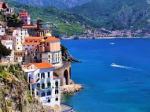
The Amalfi coast

the Amalfi coast

Start on the Amalfi coast and admire the splendid cliffs…
1.  Stay a few days in Positano
2. See the David of Michelangelo at the Accademia in Florence
3. Admire the colorful houses of Burano
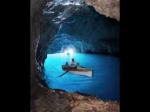
The grotto in Capri

The grotto in Capri

4. Take a boat ride in the splendid blue grotto of Capri

5. Explore the picturesque villages of Cinque Terre in Liguria
6. Visit the ancient ruins of Pompeii, the roman city destroyed in 79 a.d. by the eruption of Vesuvius
7. Taste a beautiful plate of tagliatelle alla Bolognese
8. Admire the Last Supper of Leonardo in the sanctuary of Santa Maria delle Grazie in Milan
9. Take a boat ride on Como Lake, one of the most beautiful Italian lakes
10. Lose yourself among the ruins of the Roman Forum, in the center of the Italian capital

Making glass in Murano

Making glass in Murano

11. Watch the artisans of Murano as they work with glass
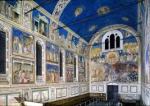
Giotto frescoes Giotto in Padua

Giotto frescoes in Padua

12. Ski the Dolomites and visit the splendid Cortina d’Ampezzo
13. Visit the Chapel of the Scrovegni in Padua and admireGiotto’s frescoes
14. Eat the best pizza in the world in Naples
15. Wear a mask and immerse yourself in Venice’s Carnival
16. Sail on Lake Garda, Italy’s largest lake
17. Take a stupid photo of yourself at the leaning tower of Pisa
18. Think about the many masterpieces in the Uffizi and be sure to see Botticelli’s Primavera
19. See your reflection in front of San Marco’s when the piazza is covered in water.

Greek temple in Sicily

Greek temple in Sicily

20. Go shopping in the luxurious Galleria Vittorio Emanuele II of Milan
21. Take a trip up Etna, the highest and most active volcano in Europe
22. Turn back in time and explore the ancient Greek ruins in the temple of Concordia and the ancient theatre of Taormina in Sicily
23. Walk among the peaceful Renaissance Tivoli gardens of Villa d’Este
24. Attend a production at La Scala, the famous opera house
25. Sip a Tuscan wine directly from the local vineyards
26. Admire the giant Colosseum in Rome where bloody battles of gladiators took place
27. Take a dive in the natural baths of Saturnia in Tuscany, where Visthermal waters flow freely
28. Admire the ceiling of the Sistine Chapel of Michelangelo in Vatican City
29. Visit the Palladian villas of the Veneto,  designed by the Renaissance architect Andrea Palladio
30. Throw a coin in the Trevi Fountain and be assured—as the legend promises—of
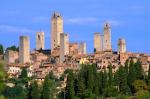
San Gimignano

San Gimignano

Perugia, chocolate capital of Italy

Perugia, chocolate capital of Italy

returning soon to Rome
31. Explore the medieval city of San Gimignano in Tuscany
32. Bask in the sun on the beaches of Rimini
33. Enjoy Perugia, the city of chocolate
34. Relive the famous Shakespearean scene on Juliet’s balcony in Verona
35. Take a trip on a gondola among the canals of Venice
36. Explore the waterfalls of Marmore in Umbria, dating from Roman times
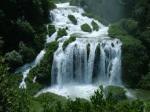
Umbria

Umbria

37. Climb to the top of the Duomo in Florence and admire the panorama of the Tuscan capital
38. Attend the Palio in Siena
39. Walk on the Ponte Vecchio in Florence, which is beautiful at any time of the day (except when overwhelmed by tourists) but is at the height of its splendor when the lights of the city illuminate the Arno
40. Eat, in any town, a typical Italian gelato

Posted in Architecture, Arte, English, Foto, Italia, Vacanze | 2 Comments

La Musica fa bene al cervello degli adolescenti

Questa storia è stata riportata in Focus.it: Suonare uno strumento allena il cervello. È stato ripetuto tante volte che l’idea è adesso un luogo comune. Ma uno studio recentemente pubblicato sulla rivista, Proceedings of the National Academy of Sciences, aggiunge nuovi dettagli al quadro, in particolare rafforzando l’idea che fare musica faccia bene anche se si cominicia “tardi”, da adolescenti.

La nuova ricerca la seguito un gruppo di studenti da Chicago all’ingresso alle scuole superiori, quando hanno cominciato a imparare a suonare uno strumento in una band di classe, due-tre ore la settimana. All’ultimo anno di scuola, alcuni aspetti del sviluppo neurologico dei ragazzi sono stati paragonati a quelli di un altro gruppo di adolescenti che avevano invece seguito un programma di sola attività fisica per l’intero percorso scolastico.

Da misurazioni dell’attivatà elettrica del cervello, i ricercatori hanno osservato che gli studenti che si erano dedicati alla musica avevano una sensibilità migliore nel riconoscere i suoni del linguaggio rispetto ai loro compagni e mostravano risposte del cervello ai suoni più rapide.

Secondo i ricercatori, la musica potrebbe dare un aiuto in più proprio nella capacità di processare le informazioni, specialmente quelle linguistiche, ritardando la chiusura di quella “finestra di opportunità” ritenuta più utile per imparare per esempio le lingue straniere. I benefici della musica, insomma, si estenderebbero al di là del suonare uno strumento.

I ricercatori americani sottolineano che, in tempi di budget ristretti nelle high school statunitensi, è un peccato che spesso tocchi proprio alle lezioni di musica essere ridotte or sospese. Viene naturale il paragone con la situazione delle aule scolastiche italiane, dove la musica è da sempre le cenerentola tra le discipline, e nella maggior parte delle scuole superiori non è neppure contemplata come materia di insegnamento. Così triste!

Posted in Abitudini, Differenze culturali, Italiano, Musica | Leave a comment

Music is Good for the Brains of Adolescents

This story was reported in Focus.it, an online Italian magazine: Playing an instrument trains the brain. Not new…almost a cliché. But a new study recently published in the journal, Proceedings of the National Academy of Sciences, adds new details to the picture, in particular, by reinforcing the idea that making music is beneficial even if it’s started “late,” as teenagers.

The new research followed a group of students from Chicago at their entrance into high school, when they began to play an instrument in band class, for 2 to 3 hours a week. In their last year of high school, certain aspects of their neurological development were compared with those of another group of teenagers who had instead followed only a program of physical activity for the entire school curriculum.

From measurements of electrical brain activity, the researchers observed that students involved in music had a better sensitivity in recognizing the sounds of language than their counterparts, and showed faster brain responses to sound.

According to the researchers, music might give extra help in the ability to process data, especially linguistic information, delaying the closure of the “window of opportunity” and the young age considered most beneficial to learn foreign languages. The benefits of music, in short, could extend well beyond the playing of an instrument.

American researchers point out that in times of tight budget constraints, music lessons in high schools are often dramatically reduced or suspended. Compare this to Italian schools where music…ironically for a country that produced some of the best music ever…is La Cenerentola…the Cinderella…the stepchild of disciplines. And in most Italian schools it is not even contemplated as a matter for teaching. How sad is that.

Posted in Abitudini, Differenze culturali, English, Musica | Leave a comment