Art Looting under Napoleon: Part I

Looting has been around since ancient times.  The Romans established a precedent that lasted more than 2,000 years.  After the Romans it became standard practice to remove treasures from the vanquished in order to weaken their status.  Booty also provided funds to pay for military campaigns.  Subsequently, looting became an acceptable reason to start a war, from the Vikings to the Conquistadors, to medieval princes.

Napoleon Bonaparte wasn’t the first or the last leader to steal art from conquered territories.  While Adolf Hitler was the largest wartime looter, Napoleon and his troops pillaged art on an epic scale.  Yet, just before Napoleon came on the scene, Revolutionary France was already seizing valuable art works for its crowning achievement:  The Louvre Museum.  Europe’s great artworks would now belong to the people, not just kings and popes.  The museum opened in 1793 with artwork mostly taken from the French royal collections and Church property.  But where to get more?  France’s new leaders decided that paintings would be “liberated” by conquest.  They justified the art appropriation not only by the belief that the spoils of war belonged to the victor, but also by the belief that France was the best place for art: “The French Republic, by its strength and superiority of its enlightenment and its artists, is the only country in the world which can give a safe home to these masterpieces.”


The glory-seeking Napoleon embraced this way to enrich the new French museum.  In 1796 his army swept through Italy seizing treasures from vanquished cities.   The acquisitions were highly organized, the art was selected by specialists, and the seizures took place through peace treaties. The Vatican too was required to relinquish valuable manuscripts and to pay for the transportation of the confiscated treasures to Paris.  In the February 1797 Treaty of Tolentino, French commissioners could enter any building—public, private, or religious—to confiscate artistic works.  Among the ancient sculptures surrendered by the Vatican were the Apollo Belvedere, Laocoön and His Sons, and the Dying Gaul.  Napoleon wrote: “The committee of scholars has reaped a good harvest at Ravenna, Rimini, Pesaro, Ancona, Loreto and Perugia.  Joined to what we shall be sending from Rome, that will give us everything of beauty in Italy except for a few things at Turin and Naples.”

By May 1797, Napoleon’s troops reached Venice.  They removed the winged lion from St. Mark’s Square and the famous four horses from St. Mark’s Basilica, which were eventually placed on top of the Arc de Triomphe du Carrousel in Paris.  Other plundered art included The Wedding Feast at Cana (to be discussed in Part II), and other paintings by Veronese, Titian and Tintoretto. 

The Italian war booty was paraded through the streets of Paris in a “Festival of Liberty” in July 1798.  A banner on the cart carrying the Apollo Belvedere proclaimed: “Greece ceded them, Rome lost them.  Their fate has changed twice; it will not change again.”  The art was destined for the new national museum at the Louvre, which was renamed Le Museé Napoleon in 1802.

Posted in Architecture, Arte, English, Foto, Italia, Storia, Vaticano | Leave a comment

La Search Dog Foundation

Nel febbraio 2018, in seguito alle frane di Montecito, ho scritto un post sui cani da ricerca. Ho confrontato la struttura di addestramento italiana, che si chiama la Scuola Nazionale di Volpiano, vicino a Torino, con la National Disaster Search Dog Foundation (SDF) a Santa Paula, in California. A quel tempo, non avevo visitato nessuna delle due strutture. Ma quest’anno ho avuto l’onore di incontrare la fondatrice di SDF, Wilma Melville, e il Direttore Esecutivo, George Haynes, e di visitare la struttura e incontrare sia i cani che altri umani impegnati a salvare vite umane durante un disastro. Ho anche imparato che l’Operations and Systems Manager di SDF, Dave Lindee, insieme a sua moglie, è vissuto e ha lavorato a Napoli ed a Roma per molti anni. Così abbiamo organizzato un tour SDF di amici di lingua italiana di Santa Barbara. Sia Dave che George hanno condotto il tour. Abbiamo parlato sia in italiano che in inglese. Il gruppo è rimasto particolarmente affascinato dal modo in cui vengono selezionati e addestrati i cani da ricerca.

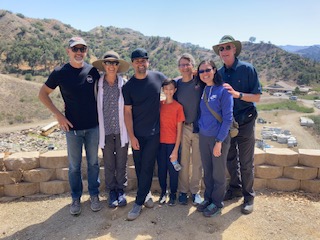
Dave Lindee, Jacopo Giacopuzzi, Susie Montpas, e Luca e Stephanie Castellarin

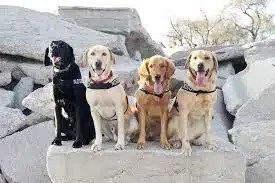
Ci vuole un cane molto speciale per soddisfare le esigenze del programma di addestramento SDF e alla fine unirsi ai ranghi dei migliori cani da ricerca della nazione. Il programma di screening di SDF inizia con la ricerca di cani da rifugio in tutto il paese di età compresa tra uno e due anni. I cani da caccia e da pastore tendono ad avere i tratti desiderati; le migliori razze includono Labrador Retriever, Golden Retriever, Pastori tedeschi, Malinois belgi, Border Collie e Pastori australiani. Anche un mix di razze funziona bene.

I cani da ricerca devono avere una risposta ossessiva e viscerale a un giocattolo e un desiderio insaziabile di inseguire, cacciare e possedere il loro ambito premio. SDF cerca i cani con intensità, concentrazione e perseveranza… cioè, un cane che non solo vuole lavorare, ma ha bisogno di lavorare. Questi cani sono solitamente troppo impegnativi per abitare con una famiglia e sono spesso consegnati in rifugi a causa del loro alto livello di energia. Un cane da ricerca deve essere atletico e non mostrare alcuna esitazione a cacciare su superfici instabili. I siti di disastro sono spesso scoscese e difficili, quindi il cane deve essere agile.

Inoltre, i candidati ai cani da ricerca devono avvicinarsi agli estranei umani e agli altri cani con un atteggiamento neutrale o curioso, ma gradevole. Non possono essere aggressivi o timorosi. Sul lavoro, incontrano molte distrazioni mentre cercano i sopravvissuti: persone, animali, cibo, spazzatura e rumori forti. Durante tutto questo, devono rimanere intensamente concentrati sul lavoro da svolgere. E, naturalmente, i cani da ricerca devono essere in ottima salute e vengono sottoposti a esami approfonditi durante il processo di screening. 

Dopo aver superato il programma di valutazione di SDF, i cani completano da otto a dodici mesi di addestramento presso il National Training Center di SDF, che è una delle poche strutture in America specificatamente progettate per l’addestramento dei cani da disastri. Il Canine Pavilion può ospitare fino a 30 cani contemporaneamente e include servizi di strigliatura, arricchimento, esercizio e condizionamento, e strutture veterinarie. Dopo un lungo addestramento, è il momento per i cani di essere abbinati ai loro nuovi conduttori (di solito vigili del fuoco) durante il corso di due settimane per addestratori. Insieme, tornano a casa e dopo mesi di legame e addestramento con il loro conduttore, i cani da ricerca sono pronti per la certificazione. Anche dopo che una squadra è stata certificata, deve continuare la formazione per mantenere la concentrazione, la forma fisica e le abilità necessarie per essere una squadra di ricerca di disastri.

Anche se un cane non è in grado di completare l’addestramento del cane da ricerca, SDF si prende cura di ogni cane che ha reclutato. La SDF non riporta mai un cane in un canile; assicura la cura degli oltre 210 cani in pensione o che hanno cambiato carriera. Entrano tutti a far parte del Lifetime Care Program di SDF. 

Dave Lindee of SDF; Susie Montpas, Jacopo Giacopuzzi; Luca, Alessandro e Stephanie Castellarin; e George Haynes of SDF

Fondata nel 1996, SDF è la più antica organizzazione non profit negli Stati Uniti che recluta cani salvati, offre loro una formazione professionale continua e li abbina con i primi soccorritori a livello nazionale. SDF fornisce questa risorsa salvavita senza alcun costo ai vigili del fuoco o alle task force, fornendo al personale di emergenza una risorsa di fondamentale importanza che altrimenti sarebbe una sfida per loro. 

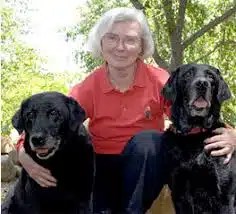
Fondatrice Wilma Melville e 2 Eroi

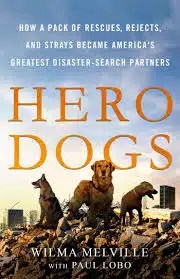
Per ulteriori informazioni, leggi il libro di Wilma Melville, “Hero Dogs” (disponibile su Amazon e altri punti vendita) e vai su https://searchdogfoundation.org o chiama il numero (805) 646-1015 per vedere come puoi supportare questa straordinaria organizzazione.

Posted in Animali, California, Foto, Italiano, Libri, Piemonte, Santa Barbara | Leave a comment

Search Dog Foundation

In February 2018, following the Montecito mudslides, I wrote a post on search dogs. In it, I compared the Italian training facility, called the National School of Volpiano, near Turin with the National Disaster Search Dog Foundation (SDF) in Santa Paula, California.  At that time, I had not visited either facility.  But this year I had the honor of meeting SDF’s founder, Wilma Melville, and its Executive Director, George Haynes, and to tour the facility and meet both canines and other humans dedicated to saving lives during a disaster.  I also discovered that SDF’s Operations and Systems Manager, Dave Lindee, along with his wife, lived and worked in Naples and Rome for many years.  So, we arranged for an SDF tour of Italian-speaking friends from Santa Barbara.  Both Dave and George led the way.  We spoke in both Italian and English.  The group was particularly fascinated by how search dogs are selected and trained.

Dave Lindee, Jacopo Giacopuzzi, Suzie Montpas, Luca and Stephanie Castellarin

It takes a very special dog to meet the demands of the SDF Training Program and to eventually join the ranks of the nation’s top search dogs.  SDF’s screening program starts with finding shelter dogs throughout the country between one and two years of age.  Hunting and herding dogs tend to have the desired traits; top breeds include Labrador Retrievers, Golden Retrievers, German Shepherds, Belgian Malinois, Border Collies, and Australian Shepherds.  A mix of breeds works well too. 

Search dogs must have an obsessive, visceral response to a toy—and an insatiable desire to chase, hunt and possess their coveted prize.  SDF looks for dogs with intensity, focus and perseverance…that is, a dog that not only wants to work, but needs to work.  These dogs are usually very challenging in a family home and are often turned into shelters because of their high energy level.  A search dog must be athletic and show no hesitation hunting on unstable surfaces.  Disaster sites contain challenging footing, so the dog must be agile.

Moreover, search dog candidates need to approach human and canine strangers with a neutral or curious, yet agreeable attitude.  They cannot be aggressive or fearful.  On the job, they encounter many distractions while they search for survivors: people, animals, food, trash, and loud noises.  Through it all, they must remain intensely focused on the job at hand.  And, of course, search dogs must be in excellent health and are given thorough exams during the screening process. 

After passing SDF’s evaluation program, dogs complete eight to twelve months of training at SDF’s National Training Center, which is one of few facilities in America specifically designed for disaster search dog training.  The Canine Pavilion can house up to 30 dogs at one time, and includes specialized grooming, enrichment, exercise and conditioning, and veterinary facilities.  After extensive training, then it’s time for the dogs to be paired with their new handlers (usually firefighters) during the two-week Handler Course.  Together, they return home and after months of bonding and training with their handler, search dogs are ready for certification.  Even after a team is certified, it must continue training to maintain the focus, fitness, and skills necessary to be a Canine Disaster Search Team.

Even if a dog is unable to complete the search dog training, SDF cares for every canine that it has recruited.  SDF never returns a dog to a shelter; it ensures care for the more than 210 canines who are retired or who have made a career change.  They all become part of SDF’s Lifetime Care Program.

Dave Lindee of SDF; Susie Montpas, Jacopo Giacopuzzi and Luca, Alessandro and Stephanie Castellarin; and George Haynes of SDF

Founded in 1996, SDF is a nonprofit, non-government organization.  SDF is the oldest nonprofit in the U.S. that recruits rescued dogs, gives them ongoing professional training, and partners them with first responders nationwide.  SDF provides this life-saving resource at no cost to fire departments or task forces, providing emergency personnel with a critically important asset that would be a challenge for them to otherwise afford. 

Founder Wilma Melville with two heroes

For more information, read Wilma Melville’s book, “Hero Dogs” (available through Amazon and other outlets) and go to https://searchdogfoundation.org or call (805) 646-1015 to see how you can support this remarkable organization.

Posted in Animali, California, English, Foto, Libri, Piemonte, Santa Barbara | Leave a comment