
The origins of pizza go back a long way. The pizza that we know today was made possible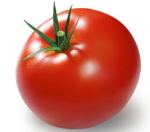 by the introduction of the tomato into Europe from the Americas in the 16th century. At first the tomato was believed to be poisonous. By the late 18th century, it was common for the poor around Naples to add tomato to their yeast-based flat bread, and so the modern pizza was born.
 Until about 1830, pizza was sold from open-air stands and out of pizza bakeries, and Neapolitan pizzerias keep
 this tradition alive today. Antica Pizzeria Port’Alba in Naples is considered the city’s first pizzeria. Another famous pizzeria there, “Da Michele,” was founded in 1870 in Via C. Sersale. This pizzeria believes that there are only two real pizzas—the marinara and the margherita—and that is all they serve. Many Italians still prefer these today.
The marinara pizza is older and has a topping of tomato, oregano, garlic, and extra virgin olive oil. It is named “marinara” because it was traditionally prepared by “la marinara,” the seaman’s wife, for her husband when he returned from fishing trips in the Bay of Naples. The margherita pizza is topped with modest amounts of tomato sauce, mozzarella 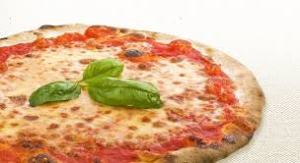 cheese, and fresh basil. It is attributed to baker Raffaele Esposito, who worked at “Pizzeria di Pietro,” which was established in 1880. Legend has it that in 1889 he baked three different pizzas for the visit of King Umberto I and Queen Margherita of Savoy. The queen’s favorite was the one that evoked the colors of the Italian flag. The pizza was named in her honor.
 The Associazione Verace Pizza Napoletana,” the True Neapolitan Pizza Association, was founded in 1984 to promote and protect true Neapolitan pizza. It set very specific rules that must be followed to receive VPN certification, which include: the pizza must be baked in a wood-fired, domed oven at 800 degrees F or higher; the ingredients must be Tipo 00
 flour, San Marzano tomatoes, all-natural Fior di Latte or Bufala mozzarella, fresh basil, salt, and yeast; the dough must be hand kneaded and not prepared by mechanical means or rolled with a pin; and the pizza must not exceed 35 centimeters in diameter, or 1/3 centimeter in thickness at the center; and it must be consumed on the premises (no take out).
Internationally, 500 restaurants have earned VPN certification. Most are in Italy; 76 are in the United States. The program is somewhat controversial because it is expensive to apply for, expensive to conform to the rules, and relies more on a list of specifications than on taste.
Of course, outside of Naples there are many regional variations of pizza in Italy. Pizza Capricciosa has a toping of mushrooms, prosciutto, artichoke hearts, olives, and a ½ 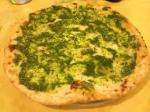 boiled egg. Pizza Pugliese uses local capers and olives. Pizza
  Veronese has mushrooms and prosciutto crudo. Pizzas from Sicily have toppings ranging from green olives, to seafood, to hard-boiled eggs, to peas. The pizzas popular throughout Italy include Quattro Formaggi, which uses mozzarella and three other local cheeses such as gorgonzola, ricotta, and parmigiana-reggiano. Quattro Stagioni has artichokes, salami or prosciutto cotto, mushrooms, and tomatoes. And in Liguria, you can find pesto pizza without tomato sauce. There are so many to discover. A trend in Italy today is pizza al taglio, or pizza rustica, cooked on a sheet pan in street stalls and sold by weight. It is often piled with marinated mushrooms, onions, or artichokes.
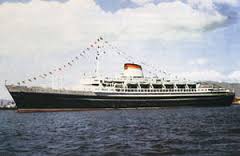
 Dopo che la Stoccolma (circa la metà delle dimensioni dell’Andrea Doria) perforò il suo fianco, l’Andrea Doria cominciò a sbandare gravemente, rendendo la metà delle scialuppe di salvataggio inutilizzabili. Ma la progettazione tecnicamente avanzata mantenne a galla la nave per 11 ore. Sette navi risposero alle chiamate del SOS e salvarono tutti eccetto 46 persone sull’Andrea Doria. Cinque morirono sulla Stoccolma.
 diventata una calamita per i cercatori di tesori. Ma 16 di quei sommozzatori sono morti, tra cui uno l’anno scorso, a causa della profondità, le temperature dell’acqua, e delle correnti. L’Andrea Doria si è guadagnata il soprannome, “il Monte Everest delle immersione subacquee.” Recentemente le immagini dalla prima immersione sommergibile alla nave hanno dimostrato che la nave era deteriorata più di quanto inizialmente previsto. Un’altra spedizione è prevista il prossimo anno con l’obiettivo di creare un’immagine completa in 3-D del relitto.
 Andrea Doria listed severely to the starboard, making half of its lifeboats unusable. But its advanced technical design kept the ship afloat for 11 hours. Seven vessels responded to the SOS calls and saved all but 46 on the Andrea Doria. Five perished on the Stockholm.
 Over the years after the Andrea Doria sank 250 feet to the bottom of the ocean, it became a magnet for treasure seekers. But 16 of those scuba divers have died, including one last year, because of the depth, water temperature, and currents. It has earned the Andre Doria the nickname, the “Mount Everest of scuba diving.” Recently, images from the first submersible dive to the ship showed that it had deteriorated more than initially anticipated. Another expedition is planned next year with the goal of creating a comprehensive, 3-D image of the wreck.

