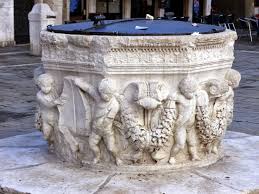
Venetian Wells

Well head at Campo Santi Giovanni e Paolo

While walking around Venice and admiring its architecture, you can’t help but notice the beautiful, architectural wells in almost every large square (campo).  They were ingenious works of art and engineering that were designed to supply drinkable water to inhabitants who, ironically, were surrounded by water.

The wells of Venice, vere da pozzo,were not true wells as they did not draw water from underground aquifers.  They were underground cisterns designed to collect and filter precious rainwater, and served Venetians from the 5thcentury to about 1884 when water was piped in from the mainland.

The construction was both complex and expensive.  Highly skilled builders known as pozzeri,along with bricklayers, supervised the digging of the cisterns.  Sons followed fathers and grandfathers into the business.  It was an important trade and highly valued.
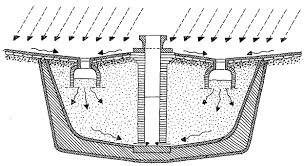
First a large area was selected; hence wells were built in the campi or corti of Venice.  The area was dug to a depth of 5-6 meters below ground and sea level.   The recess was lined with a waterproof layer of clay to prevent infiltration of salt water and dispersion of fresh water from the tank.  In the center a tall tunnel (cassone or canna da pozzo) formed the well shaft; this is where the local inhabitants dipped their buckets to obtain fresh water.  The rest of the recess was filled with sand and gravel.  Each stratum consisted of a different size stone creating a graduated filter.  Then 2 to 4 manholes (pilelle) were built close to the edge of the reservoir to collect the rainwater as far from the center tunnel as possible so that the water could be purified through the various layers of sand and gravel.
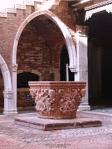
Well head at Cà d’Oro

The crowning glory was the vera, the well-head, which was a work of art in its own right.  Early ones were built with stones taken from ancient Roman ruins: capitals, pillar sections, and cinerary urns were adapted for use as vere.  The Republic encouraged the aristocracy to participate in the construction of rainwater wells; in return, the family’s coat of arms or inscriptions could be carved into the vera.  Venice’s Administration also developed a system to check and maintain the wells.

Doge’s Palace well head

Wells were capped with heavy, iron covers and locked for most of the day.  Sometimes only the local priest kept the key to unlock them twice a day, morning and evening, at the toll of the “well bell” calling residents to fill their buckets.  At the height of Venice’s prosperity, there were over 6,500 wells.  While no wells are in use today, about 600 remain in the Venetian campias a testament to the history and art of this engineering marvel, which perhaps could be adapted today in areas of the world suffering from drought.
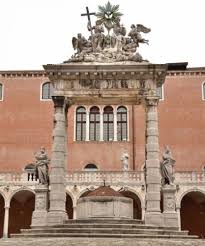
 

Rainwater well in the cloister of Trinity inside the monastery of Santa Maria dei Frari
Posted in Architecture, Arte, English, Foto, Italia, Storia, Veneto, Venezia | 1 Comment

I Primati Storici dell’Italia

(questo post è adattato da un articolo da Focus.it)

  1. Il Più Antico Orto Botanico del Mondo

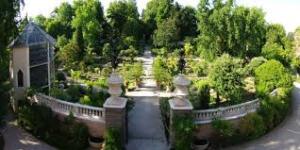
Risale al 1545, l’orto botanico di Padova è considerato il più antico del mondo.  Con oltre 6.000 tipi di piante, è famoso ancora oggi per la coltivazione di piante mediche, da cui si estraggono molti rimedi naturali.  In quest’orto sono anche coltivate piante velenose e piante preziose, che i ladri spesso cercano di rubare.   Alcuni storici attribuiscono il primo orto botanico a quello di Pisa, che è stato fondato l’anno precedente, ma in un’altro luogo rispetto a quello attuale di oggi.  In ogni caso, il primato rimane in Italia. 

  1. La Più Antica Farmacia d’Europa

È l’Officina profumo-farmaceutica di Santa Maria Novella a Firenze.  Testimonianze risalenti al 1221 attestano come i frati domenicani in una parte del loro convento, allora alle porte di Firenze, dispensassero distillati di erbe curative.  La profumeria corrente aprì al pubblico nel 1612.  Altre città europee come Tallin (in Estonia) e Dubrovnik (in Croazia) sostengono di avere il primato.  Ma il lavoro della farmacia fiorentina non è mai stato interrotto.

  1. La Più Antica Biblioteca del Mondo

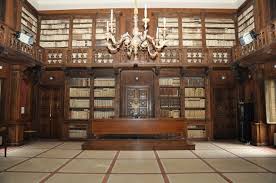
Fondata nel 516 d.C., la Biblioteca Capitolare di Verona, ha festeggiato 15 secoli nel 2017.  È la più antica biblioteca al mondo aperta al pubblico sin dalla sua fondazione.  Ci sono biblioteche che sono più antiche, come quella di Alessandria d’Egitto, ma non sono rimaste aperte al pubblico per tanto tempo come quella di Verona.  Qui studiarono il figlio di Carlo Magno, Pipino, poi Dante Alighieri e Francesco Petrarca.  La biblioteca custodisce il celebre Indovinello Veronese, che è un rompicapo del VIII secolo, che molti studiosi riconoscono come il primo documento in italiano volgare.

  1. La Più Antica Università Occidentale Ancora in Funzione

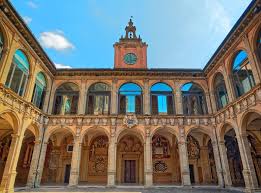
Fondata nel 1088, l’Università di Bologna non ha mai interrotto l’insegnamento.  Tre papi, numerosi uomini d’affari e diversi politici italiani sono tra i suoi alunni famosi.  Persino Oxford, che fu fondata nel 1096, è costretta a cedere a Bologna il primato, che ha il soprannome “la dotta”.  La più antica istituzione educativa nel mondo e tutt’ora in funzione, invece, è l’Università di Karueein, fondata nell’859 a Fez, in Marocco.

 La Prima Banca al Mondo che Esiste Ancora Oggi

È il Monte dei Paschi di Siena, fondato dal Consiglio Generale della Repubblica di Siena nel 1472.  All’epoca Siena era una repubblica e la banca nacque per offrire prestiti a persone povere o bisognose.  Un altro record della banca venne raggiunto nel 1624 quando il Granduca Ferdinando II de’ Medici iniziò le basi dei sistemi di protezione dei depositi che ora vengono usati per dare fiducia ai risparmiatori del sistema bancario mondiale.  Per secoli, la banca ha finanziato l’economia locale attraverso imprese, enti di beneficenza e il celebre Palio di Siena.

  1. La Più Antica Enoteca del Mondo

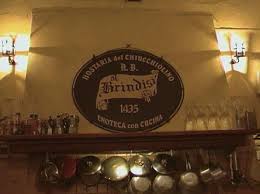
Secondo il Guiness Book of World Records, la più antica enoteca si trova a Ferrara e aprì le sue cantine nel 1435.  Al tempo si chiamava “Hostaria del Chiuchiolino” (da “ciuc”, ubriaco), ma oggi ha cambiato il suo nome.  Tra i suoi storici avventori c’erano Tiziano, Niccolò Copernico, e Ludovico Ariosto.

 Le Aziende Familiari Più Antiche

La Fonderia Marinelli di Agnone in Molise è la più antica impresa familiare d’Europa, e una delle più antiche aziende al mondo ancora in esercizio.  È stata fondata nell’anno mille, da generazioni continua a produrre campane in maniera artigianale, proprio come si faceva nell’antichità.

  1. La Più Antica Mappa del Mondo Occidentale

Forse.  È stata scoperta a Soleto in Puglia da un archeologo belga dell’Università di Montpellier nel 2003.  È un frammento di un vaso di terracotta nera che, secondo le prime stime, risale oltre a 2500 anni fa e su cui sono stati incisi disegni e nomi di città italiane in lingua greca e messapica.  La raffigurazione riguarda un tratto costiero della penisola salentina.  Alcuni storici però hanno dubbi sulla sua datazione, perché le città sono indicate come punti, come nelle mappe moderne e non con le case tipiche delle mappe antiche.

  1. Una delle Più Antiche Città del Mondo

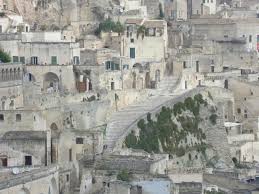
Matera in Basilicata è conosciuta nel mondo come “la città dei sassi”.  Ha case-grotte scolpite nella roccia di una gola creata dal torrente Gravina.  Si ritiene che queste abitazioni rupestri siano tra i primi insediamenti umani in Italia, risalenti al Paleolitico (circa 9.000 anni fa).  Da allora, fino agli anni ’50, i sassi sono stati sempre abitati, che fa Matera una delle più antiche città nella quale si è vissuto più a lungo.


Posted in Firenze, Foto, Italia, Italiano, Puglia, Storia, Toscana, Verona | Leave a comment

Historical Records that Belong to Italy

(This post is adapted and translated from an article in Focus.it.)

  1. The Oldest Botanical Garden in the World

Dating back to 1545, the botanical garden of Padua is considered the oldest in the world.  With more than 6,000 types of plants, it is still famous today for the cultivation of medical plants, from which many natural remedies are extracted.  Also cultivated here are poisonous plants and valuable plants, which thieves often try to steal.  Some historians attribute the first botanical garden to the one in Pisa, which was founded in the preceding year, but in another place than where it currently is.  In any case, the record is in Italy.

  1. The Oldest Pharmacy in Europe

It is the Officina profumo-famaceutica of Santa Maria Novella in Florence.  Testimonies dating back to 1221 attest to how the Dominican friars in a part of their convent, now at the gates of Florence, dispensed distillates of curative herbs.  The current perfumery opened to the public in 1612.  Other European cities like Tallin in Estonia and Dubrovnik in Croatia claim to have the record, but the work of the Florentine pharmacy has never been interrupted.

  1. The Oldest Library in the World

Founded in 517 AC, the Biblioteca Capitolare of Verona celebrated 15 centuries in 2017.  It is the oldest library in the world open to the public since its inception.  There are more ancient libraries, like that in Alessandria, Egypt, but none has remained open to the public for as long as the library in Verona.  Here they studied the son of Charlemagne, Pipino, and then Dante Alighieri and Francesco Petrarch.  The library also houses the famous Veronese Indovinello, a puzzle from the eighth century that many scholars think contains the oldest text in the Italian vernacular.

  1. The Oldest Active Western University

Founded in 1088, the University of Bologna has never ceased teaching.  Three popes, many businessmen, and various Italian politicians are among the famous graduates.  Even Oxford University, which was founded in 1096, is forced to cede primacy to Bologna, which has the nickname “the learned.”  The oldest educational institution in the world that is still functioning, however, is the University of Karueein, founded in 859, in Fez, Morocco.

  1. The Oldest Bank in the World that Still Exists Today

It is the Monte dei Paschi of Siena in Tuscany, founded by the General Council of the Republic of Siena in 1472.  At the time, Siena was a republic and the bank was started to offer leans to the poor or needy.  Another record of the bank was reached in 1624 when the Grand Duke Ferdinand II de Medici laid the foundation of deposit protection systems that are used today to give confidence to savers in the world banking system.  For centuries, the bank has financed the local economy through businesses, charities, and of course the famous Palio di Siena.

  1. The Oldest Wine Cellar in the World

According to the Guinness Book of World Records, the oldest wine cellar is located in Ferrara and opened in 1435.  At the time it was called Hostaria del Chiuchiolino from “ciuc,” which means drunk, but today it has changed its name.  Among its historic patrons were Titian, Copernicus, and Ariosto.

  1. The Most Ancient Family Business

The Marinelli Foundry of Agnone in Molise is the oldest family business in Europe, and one of the oldest companies in the world still in operation.  It was founded in the year 1,000 and for generations has continued to produce bells in an artisanal way, just as it has done in antiquity.

  1. The Most Ancient Map in the Western World

Perhaps.  It was discovered in Soleto in Puglia by a Belgian archaeologist from the University of Montpellier in 2003.  It is a fragment from a black earthenware vase that, according to estimates, was more than 2,500 years old and which was engraved with drawings and names of Italian cities in Greek and Messapian.  The representation depicts a coastal stretch of the Salento peninsula.  Some historians, however, have expressed doubts about its dating, because the cities are referred to as points as in modern maps and not with the typical houses of ancient maps.

  1. One of the Oldest Cities in the World

Matera in Basilicata is known throughout the world as “the city of stones.”  It has cave-houses carved into the rock of a gorge created by the Gravina stream.  These cave dwellings are believed to be among the first human settlements in Italy, dating back to the Paleolithic era (about 9,000 years ago).  Since then, until the 1950s, the stones have always been inhabited, which makes Matera one of the oldest inhabited cites ever.


Posted in Arte, English, Firenze, Foto, Italia, Puglia, Storia, Verona | Leave a comment