The Riace Bronzes:  The 50th Anniversary

About 5 years ago, I wrote about the Riace Bronzes, which are perhaps the most famous classical bronze statues in Italy today.  The post, The Mysteries of the Riace Bronzes (February 2017), listed the questions that emerged after a deep-sea diver discovered the two youths in 1972 in the Ionian waters off the coast of Riace in the region of Calabria:  Who were these two figures?  Where did they come from?  Who created them? Were they smuggled or lost in a shipwreck?  Where were they headed? 

Many theories abound about the origins of the bronzes.  However, many experts today believe that they were created in Argos and Athens, in the workshops of the best artists of antiquity, during the fifth century BC.  Now, more than 2,000 years after their creation and 50 years since they were rediscovered, new mysteries have been added, and, thanks to restoration work, new information has come to light.

The team of archaeologists who brought Warrior A and Warrior B, as they were later christened, to the surface from the sea floor noticed something strange.  There were no other signs of other antique artifacts in the area.  That made the presence of the bronzes there seem quite odd.  Porto Foricchio, the nearby port, had been in use in antiquity, but there is little information about its role.  Was there a link between the port and the bronzes in terms of origin or destination?

Back in 1972, the scuba diver who first discovered the bronzes said that he had seen a group of statues, one of them with arms wide open and a foot in front of the other.  However, this description does not correspond to either Warrior A or Warrior B.  Are there more bronzes to be discovered?

After their extraction from the Ionian waters, the bronzes received extensive conservation work in Florence beginning in 1975.  A thorough cleaning and study enabled experts to find out how they were made. Despite expert conservation, the health of the bronzes remained at risk: both statues had been filled with sediment during centuries under the sea, and had been soaked in water and salt that corroded the bronze.  Two interventions in Reggio Calabria—between 1992 and 1995, and between 2010 and 2013—removed the dangerous sediments and left the statues at half the weight from that of 1972.
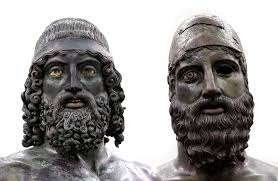
Conservation revealed a lot about the original coloring of the bronzes.  There was a red hue to both their lips and their nipples.  Their eyes were made with glass paste and calcite with small, pink stones for tear ducts.  One warrior had teeth made of silver.  What surprised restorers and archaeologists the most was the way that their hair and beards were rendered; the alloy used gave them a golden hue, which means that they were both blonde.

Thanks to modern archaeometry, which is the study of ancient materials to date artifacts, the statues were made in the Peloponnesus and then transported to Rome.  According to the Anthologia Palatina, a collection of Greek epigrams dating from the 10th century, Emperor Constantine wanted an ancient Greek sculptural group that was housed in Rome to be moved to the new capital, Constantinople in the early 4th century AD.  Warrior A and B were most likely part of the collection that never reached the Middle East but sank near Riace.

Other warriors?  Riace’s mayor announced that on the occasion of the 50th anniversary of the rediscovery of the two bronzes, a new archaeological “dig” will be carried out in 2022 in the hopes of finding more artifacts.  Throughout this year, Reggio Calabria and all of Italy will celebrate the warriors with events and seminars.  The center of Reggio Calabria will become an open-air archaeological museum.  From October 2022 through 2023, events will continue across Italy and Europe dedicated to Magna Graecia—the coastal areas of Southern Italy in the present-day regions of Calabria, Apulia, Basilicata, Campania and Sicily that were populated by Greek settlers.  At the heart of the celebrations will be these ancient warriors, symbols of strength, beauty, and a glorious past.
Posted in Arte, English, Foto, Italia, Storia | Leave a comment

I tesori di San Casciano dei Bagni

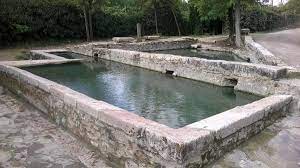
Una delle principali destinazioni termali italiane è San Casciano dei Bagni, un comune nella provincia di Siena, nella ricca campagna toscana. Con le sue 42 sorgenti a una temperatura media di 42° C, gli amanti delle terme e i pellegrini termali provenienti da ogni parte del mondo sono si immergono nelle acque ricche di minerali per millenni. Le terme furono costruite dagli Etruschi forse già nel IV secolo aC e furono successivamente abbellite dagli antichi romani, che furono maestri nel costruire postazioni termali.

Nel 2016 è iniziato il “Progetto Terme Romane” per riportare le terme all’antico splendore. Una squadra di archeologi europei ha avviato la ricognizione del suolo, le indagini geofisiche e le mappe del paesaggio. A quel tempo nessuno immaginava cosa avrebbero poi trovato.

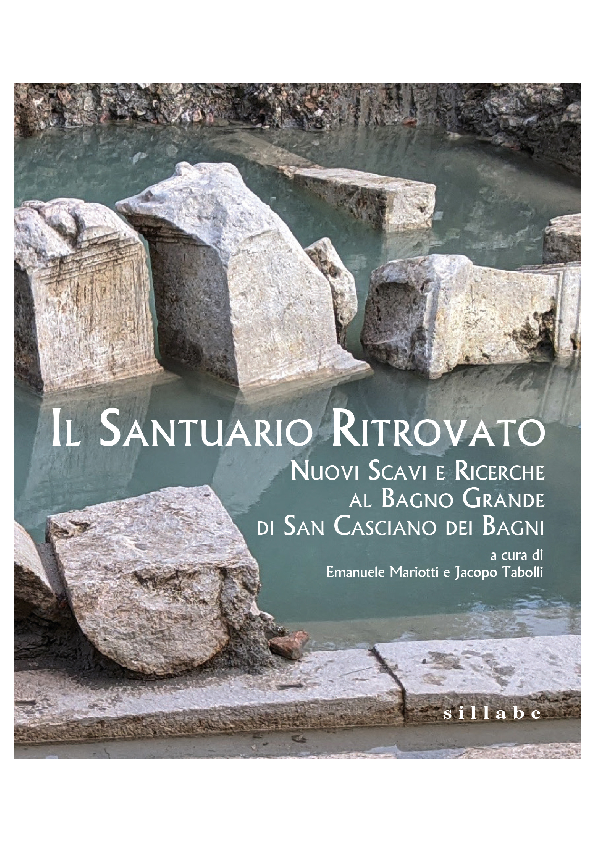
Mentre gli archeologi esploravano l’area delle antiche sorgenti, si sono resi conto che dal fango emergeva un qualche tipo di struttura. Dapprima sono apparse antiche colonne, seguite da un ingresso monumentale. Poi hanno trovato un altare di travertino con un’iscrizione latina “Sacro ad Apollo”, dio della profezia e della medicina. Il lavoro è stato interrotto non solo dalle difficoltà di lavorare immersi in acqua calda, ma anche dalle limitazioni imposte dalla pandemia. Quando il lavoro è ripreso, la squadra ha trovato un secondo altare dedicato a Fortuna Primigenia, dea romana della fortuna e primogenita. Poi è stato rinvenuto un terzo altare dedicato alla divinità egizia Iside. Infine è emersa una statua di marmo di Igeia, divinità della salute. “Era un santuario internazionale di grande importanza, dato che in un unico luogo erano ospitate tante divinità diverse”, ha detto il direttore della squadra, Jacopo Tabolli.

Solo pochi giorni fa (nell’agosto 2022), gli archeologi hanno riportato alla luce un tesoro di reperti e reliquie dal sito di scavo, che insieme al santuario, rivelano molto su come salute e fede fossero intrecciate nelle civiltà passate dell’Italia. Queste scoperte includono: statuette rare di fertilità; 3.000 monete antiche; parti del corpo scolpite; e anche materia organica ben conservata, come rami di alberi e frutti. 

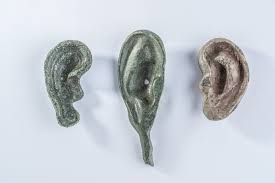
I visitatori antichi venivano alle terme di San Casciano in cerca di sollievo dai loro disturbi, dai problemi respiratori al dolore alle articolari. Per molti, immergersi nelle calde acque ricche di calcio e magnesio, oltre che di cloruro e solfati, aveva poteri terapeutici e riduceva il dolore. Ringraziamenti agli dei venivano fatti lasciando monete e altre offerte come: pigne profumate o pesche, braccia o gambe in bronzo per richiamare l’attenzione su parti anatomiche guarite, orecchie di bronzo in segno di apprezzamento per aver ascoltato le preghiere dei mortali sofferenti.

I rituali sanitari alle terme erano costituiti soprattutto da quelli legati alla gravidanza e al parto. Sono stati trovati offerte votive tra cui bronzi della fertilità a forma di fallo, un grembo materno e un paio di seni. Una statua ritrovata di un bambino nudo ha portato gli archeologi a credere che le donne antiche visitassero San Casciano durante la gravidanza e dopo il parto, nella speranza di proteggere la salute del bambino.

Secondo Jacopo Tabolli, professore di studi etruschi all’Università per Stranieri di Siena, “Ciò che rende il sito [di San Casciano] unico in tutto il Mediterraneo è l’eccezionale stato di conservazione, ed è la prova che le pratiche dell’acqua calda erano considerate curative sotto la protezione divina. Da aggiungere che la quantità e la qualità degli oggetti recuperati sono “sorprendenti”. Straordinario, inoltre, il numero di monete rinvenute nella vasca; in bronzo, argento e oricalco, metallo prezioso che i romani ritenevano avesse poteri mistici, le monete rappresentano la più grande collezione di monete antiche associata alle sorgenti termali del Mediterraneo. Sono inoltre unici per il loro perfetto stato di conservazione; hanno mantenuto la brillante colorazione originale, grazie alle proprietà chimiche dell’acqua e del fango che ne ha impediti l’ossidazione.

Gli scavi dovrebbero continuare per diversi anni e gli esperti ritengono che molti altri tesori verranno alla luce. Un nuovo museo metterà in mostra le meraviglie per il pubblico. Per San Casciano il progetto non è solo motivo di grande orgoglio culturale, ma offre anche opportunità per il suo futuro economico.

Posted in Architecture, Arte, Foto, Italia, Italiano, Storia, Toscana | 1 Comment

The Treasures of San Casciano dei Bagni

One of Italy’s top hot spring destinations is the San Casciano dei Bagni, a village in the province of Siena in the rich countryside of Tuscany.  With its 42 springs and a mean temperature of 42° C (108° F), spa lovers and thermal pilgrims from far and wide have come to soak in the mineral-rich waters milennia.  The thermal baths were built by the Etruscans possibly as early as the 4th century BC and were later embellished by the ancient Romans, who were master spa builders.

In 2016, the “Roman Baths Project” began in order to restore the thermal baths to their former splendor.  A team of European archaeologists started ground reconnaissance, geophysical surveys and landscape maps.  At that time nobody imagined what they would eventually find.

As the archaeologists explored the area of the ancient springs, they realized that some type of structure was emerging from the mud.  First, ancient columns appeared, followed by a monumental entrance.  Then they found a travertine altar carrying a Latin inscription “sacred to Apollo,” god of prophecy and medicine.  Work was interrupted not only by the difficulties of working immersed in hot water, but also by the limitations imposed by the pandemic.  When work resumed, the team found a second altar dedicated to Fortuna Primigenia, the Roman goddess of fortune and the first born.  Then came a third altar dedicated to the Egyptian deity Isis.  Finally, a marble statue of Hygeia, deity of health, emerged. “It was an international sanctuary of great importance, given that so many different divinities were housed in one place,” said team director Jacopo Tabolli.

In August 2022, archaeologists unearthed a treasure trove of artifacts and relics from the excavation site, which together with the sanctuary, reveal a lot about how health and faith were intertwined in Italy’s past civilizations.  Findings include rare fertility statuettes; 3,000 ancient coins; sculpted body parts; and even well-preserved organic matter, such as tree branches and fruit.

Ancient visitors came to San Casciano’s thermal baths seeking respite from their ailments—from respiratory problems to aching joints.  For many, floating in the warm waters rich in calcium and magnesium, as well as chloride and sulfates, had therapeutic powers and reduced their pain.  Thankful to the gods, they left behind coins and other offerings: scented pine cones or peaches; bronze arms or legs to call attention to healed anatomy parts; or bronze ears in appreciation for hearing the prayers of mortals in pain.

Health rituals at the thermal baths included those specifically linked to pregnancy and birth.  Votive offerings were found including fertility bronzes shaped like a phallus, a womb and a pair of breasts.  A recovered statue of a naked baby led archaeologists to believe that ancient women visited San Casciano during pregnancy and after childbirth in the hope of protecting the baby’s health.

According the Jacopo Tabolli, who is also a professor of Etruscan studies at Siena’s University for Foreigners, “What makes [the San Casciano] site unique in the entire Mediterranean is the exceptional state of preservation, and the [evidence] it provides for how medical hot water practices were considered curative under divine protection.” He also noted that the amount and quality of the objects recovered are “astonishing.”  Furthermore, the number of coins found in the bath was extraordinary; in bronze, silver and orichalcum, a precious metal that the Romans believed had mystical powers, the coins represent the largest collection of ancient currency associated with hot springs in the Mediterranean.  They are also unique for their perfect state of preservation; they retained their shiny original coloring thanks to the water’s chemical properties and the mud that prevented oxidation.

The excavations are expected to continue for several more years, and the experts believe that many more treasures will come to light.  A new museum will showcase the wonders for the public.  For San Casciano, the project is not only a source of great cultural pride, but also provides opportunities for its economic future. 

Posted in Architecture, Arte, English, Foto, Italia, Storia, Toscana | 1 Comment