
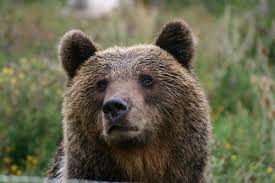
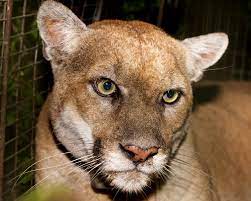
The stories of the deaths of M-20, the Italian Apennine bear, and P-22, the American mountain lion, are not rare. About two million big animals die on American roads every year from vehicle accidents, and the numbers are no doubt underreported. When you add the little ones like frogs and butterflies, the number could reach the billions.
The American mountain lion has inspired the creation of an overpass to facilitate wildlife crossings; it will span a busy 10-lane freeway, which sees about 400,000 cars a day, that had restricted P-22’s movements around Griffith Park in Los Angeles. He had been surviving in an area—about 8 square miles—that was much smaller than any male mountain lion had ever lived. The average male mountain lion territory is 150 miles.
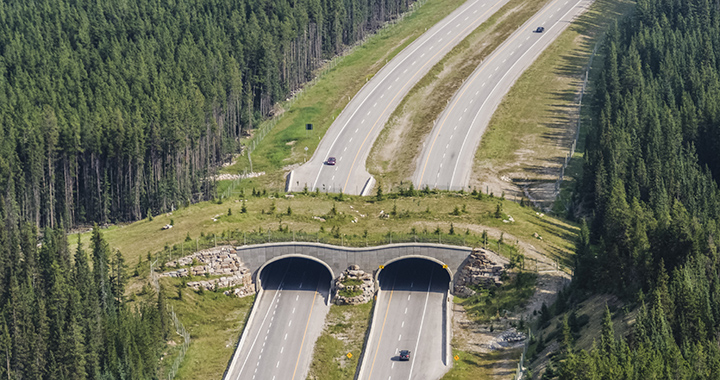
Wildlife crossings were first constructed in France in the 1950s. They are used throughout Europe, particularly in the Netherlands. These corridors have even worked with animals that some people considered not very intelligent. For example, when vehicle accidents were blamed for the decline in the koala population in Australia, engineers in Queensland created a series of tunnels and bridges to help them avoid busy streets. Some wildlife experts predicted that the koalas wouldn’t figure them out. After all, koalas are known for hanging out in trees, stoned on eucalyptus. But it took less than three weeks for the koalas to navigate the system.
These wildlife corridors are used by many big animals, including bears, moose, elk and cougars. They are credited with helping grizzly bears find mates. They could be an important safeguard for endangered species to sustain and increase their population.
The wildlife crossing in Los Angeles is a public-private project, spearheaded by the National Wildlife Federation, along with California’s transportation department. About half of the $100 billion cost is being funded by private donations, including from philanthropist Wallis Annenberg, for whom the crossing will be named. The crossing includes specially designed sound walls, along with natural sound barriers of tall trees and lush plantings. They are designed to filter out the noise of the freeway as most animals get frightened and won’t approach if there is too much noise. Engineers are also planning to address animals’ fear of bright lights. They are designing light barriers, both on the crossing itself and on the approach, so that headlights aren’t a deterrent.

The Wallis Annenberg Wildlife Overpass will not only be the largest in the world, but it will also host a unique ecosystem on top of it. Seeds are being collected to match the surrounding ecosystem. Native, fire-resistant plants will cover the crossing, while invasive, fire-fueling material, like the black mustard plant, will be removed from the surrounding area. Monarch butterflies and lizards will be part of the local life.
Unfortunately, P-22 will never get to use the crossing that he inspired. But when the overpass opens in 2025, it will become the lasting legacy of the big cat, popular throughout Los Angeles and among all wildlife lovers.

 L'Olivo Santa Barbara